Related: Espresso Grinder Upgrades, Ranked by What You Actually Taste
A home espresso machine setup is not one purchase. It is a machine, a grinder, a water plan, and a maintenance habit, and the last two are the ones most people skip until something tastes sour or starts leaking onto the counter.
I spent twelve years working a bar before I started setting up espresso stations in other people's kitchens. My garage is a graveyard of machines that did not survive my learning curve: a Breville that leaked, a Gaggia I modded past recognition, an ECM that is still pulling shots. The lesson I keep repeating to friends is boring and true. The machine is a smaller part of the result than the grinder, and the water is the variable that quietly decides whether the machine lasts five years or gets listed for cheap at two.
This guide covers the four pieces I would actually put on a counter: one automatic for people who want a button, one manual machine with real temperature control, one cheap wear part that keeps a good machine alive, and one water product that fixes the thing almost nobody thinks about. Two of these are machines. Two of them are not, and those two are the ones I would buy first.
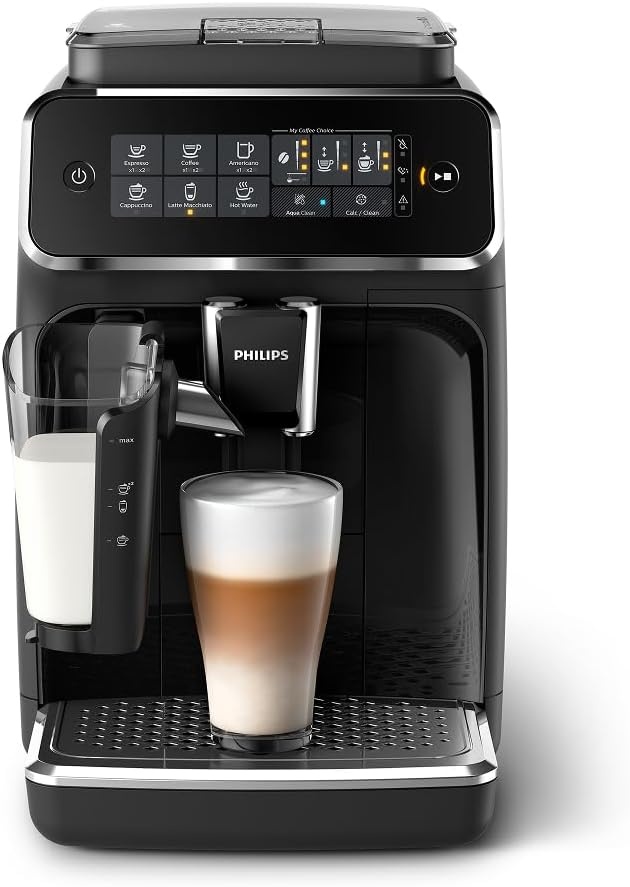
The automatic pick: Philips 3200 Series with LatteGo
This is the machine I hand to someone who wants a flat white before a 9 a.m. meeting and has no interest in weighing beans. It grinds, doses, tamps, brews, and froths milk, and the ceramic grinder inside it is the reason I am comfortable recommending it at all. Cheaper superautomatics use steel burrs that wear and heat up. Ceramic stays cooler and holds its edge longer.
The LatteGo frother is two pieces with no tubes, which matters more than the marketing suggests. Tubes are where milk sits and turns. Two pieces that click apart and go in the dishwasher is a design decision I respect.
You also get five drink varieties, a touch display that is genuinely simple to use, and an AquaClean filter that stretches the time between descales. That filter is the reason this machine does not land in my pet peeve category of appliances that need descaling every two weeks.
Here is the honest part. This machine decides the variables for you. You will not learn to dial in a shot on it, and the basket is not a professional standard, so a stale bean tastes like a stale bean with no way to grind your way out of it. That is the trade. You are buying consistency and speed, not craft. If that trade sounds right, this is the best version of it I have used at this level.
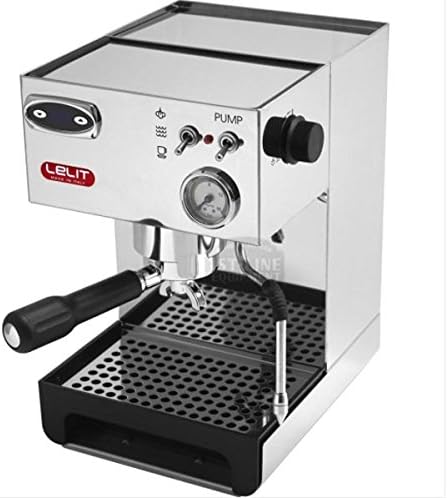
The manual pick: Lelit PL41TEM Anna with PID
The Anna is the other end of the same decision. It is a compact single boiler machine with a PID controller, which is the feature I care about most on any machine in this range. Temperature stability is what you feel every single shot. Pressure profiling is a feature most people use twice.
A PID holds the brew water at the temperature you set instead of swinging through a dead band. That is the difference between a shot that tastes the same on Tuesday as it did on Sunday and a shot that tastes sour for no reason you can find.
The Anna is small, which matters in a Seattle apartment kitchen where the counter is shared with a kettle and a toaster. It is also a machine that assumes you already own a grinder. It does not have one, and it should not. Put that money into burrs.
The compromise is the single boiler. Brew and steam share one, so there is dead time between pulling your shot and steaming your milk. On a quiet morning that is a pause you learn to work around by steaming first or by drinking espresso. If you make four milk drinks back to back every morning, a dual boiler is the honest answer, and it costs more.
What you get instead is a machine you can repair, adjust, and keep. That is the trade I would make every time at this price.
The part nobody buys until it fails: Rancilio Silvia group head gasket
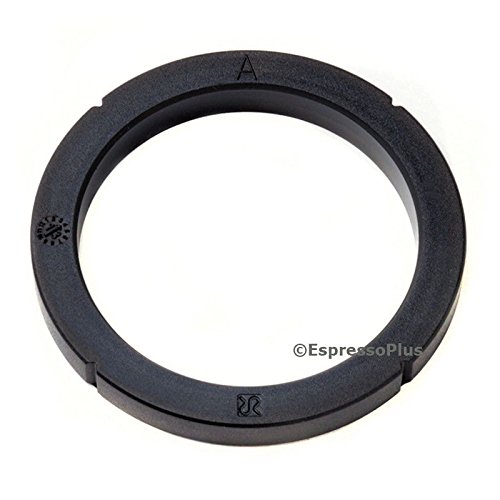
This one is not glamorous, and it is the reason a lot of good machines end up listed for cheap. The group head gasket is the rubber ring that seals the portafilter against the group. Heat and coffee oils harden it. When it hardens, the seal stops sealing, water runs down the outside of the basket instead of through the puck, and the shot gets worse before it gets obviously broken.
Most people blame the grinder, then the beans, then the machine. It is a single cheap part.
This is the genuine OEM gasket for the Rancilio Silvia, and it is the one I keep in a drawer. If you own a Silvia, you own a machine that will outlive most of what is sold next to it, and this is the part that keeps it that way. Swap it when the portafilter starts turning too easily or when water shows up around the rim. Do not wait for a puddle on the drip tray to tell you.
The broader point is the one I make to everyone building a setup: budget for maintenance, not just for hardware. A machine you can buy parts for is worth more than a machine with better specs and no parts network.
The upgrade that costs the least and changes the most: Third Wave Water
Water is the ingredient you use the most and think about the least. It is also the one that varies the most between kitchens. Seattle water, Phoenix water, and well water in rural Oregon will pull three different shots from the same beans on the same machine, because extraction depends on the minerals dissolved in the water.
Third Wave Water is a mineral packet built for coffee. You add a stick to a gallon of distilled water and you get a consistent starting point instead of whatever comes out of your tap. The espresso machine profile aims at enough mineral to extract well without laying down scale in your boiler.
Two things this solves. First, consistency. You stop chasing a grind setting that worked at your old apartment and not at the new one. Second, scale. Scale is what kills machines, and it stays invisible until a boiler is already compromised. If you live somewhere with hard water, this is cheaper than a repair.
It is not magic and it is not for everyone. If your tap water is soft and your shots taste good, keep doing what you are doing. If your kettle has a white crust in it, this is the first thing I would change. Before the machine. Before the grinder.
How I set up and test a home espresso station
Every machine I recommend has to survive a month of daily shots before it earns a spot in a guide. Same beans, same grinder, same water, one variable at a time. My rule is thirty shots minimum on a machine before I form an opinion, because the first ten are you learning the machine and the next ten are the machine learning you. The real information starts after that.
I care about four things, in this order. Temperature stability, because it decides whether your good shot is repeatable. Grind capability, which for a superautomatic means whether the built-in grinder actually goes fine enough. Dead time, which is the wait between brew and steam on a single boiler and where the workflow dies. And the third month, which is the only honest test. Anything can be fun for a week.
I do not score crema. Crema is decoration. Taste is the test, and taste is what I write down.
Analysis: what actually matters after month three
After enough machines, the pattern is boring. The machine matters less than the grinder, the grinder matters less than the water, and the whole thing matters less than whether the workflow fits your morning.
A five hundred dollar machine with a three hundred dollar grinder beats a two thousand dollar machine with a fifty dollar grinder. I will say that until I am hoarse. The Philips 3200 is the exception that proves it, because it brings its own grinder and accepts that the grinder is the weak link in exchange for a one touch workflow. The Anna is the other approach: no grinder, no compromise, you bring the burrs.
Water sits underneath both. A machine that scales up in eighteen months was never a bad machine. It was a machine on bad water.
And then there is the part nobody photographs. Gaskets, group screens, backflushes, a descale schedule that is not every two weeks because you started with better water. Maintenance is not the hobby. It is what keeps the hobby from turning into a shopping habit.
The reference table: how the four pieces fit together
This is the table I would hand someone who asked me what to buy first. Each row is a job, not just a product.
| Product | What it is | Best for | Where it sits in the workflow | Price |
|---|---|---|---|---|
 Visit on Amazon → Visit on Amazon →Philips 3200 Series |
Superautomatic with ceramic grinder and LatteGo frother | One touch milk drinks | Replaces both the machine and the grinder | $558.16 |
 Visit on Amazon → Visit on Amazon →Lelit PL41TEM Anna |
Single boiler manual machine with PID | Repeatable espresso on a small counter | The machine only, your grinder does the rest | Check current Amazon price |
 Visit on Amazon → Visit on Amazon →Rancilio Silvia group head gasket |
Genuine OEM wear part | Silvia owners, before the leak starts | Keeps an existing machine sealing properly | $8.05 |
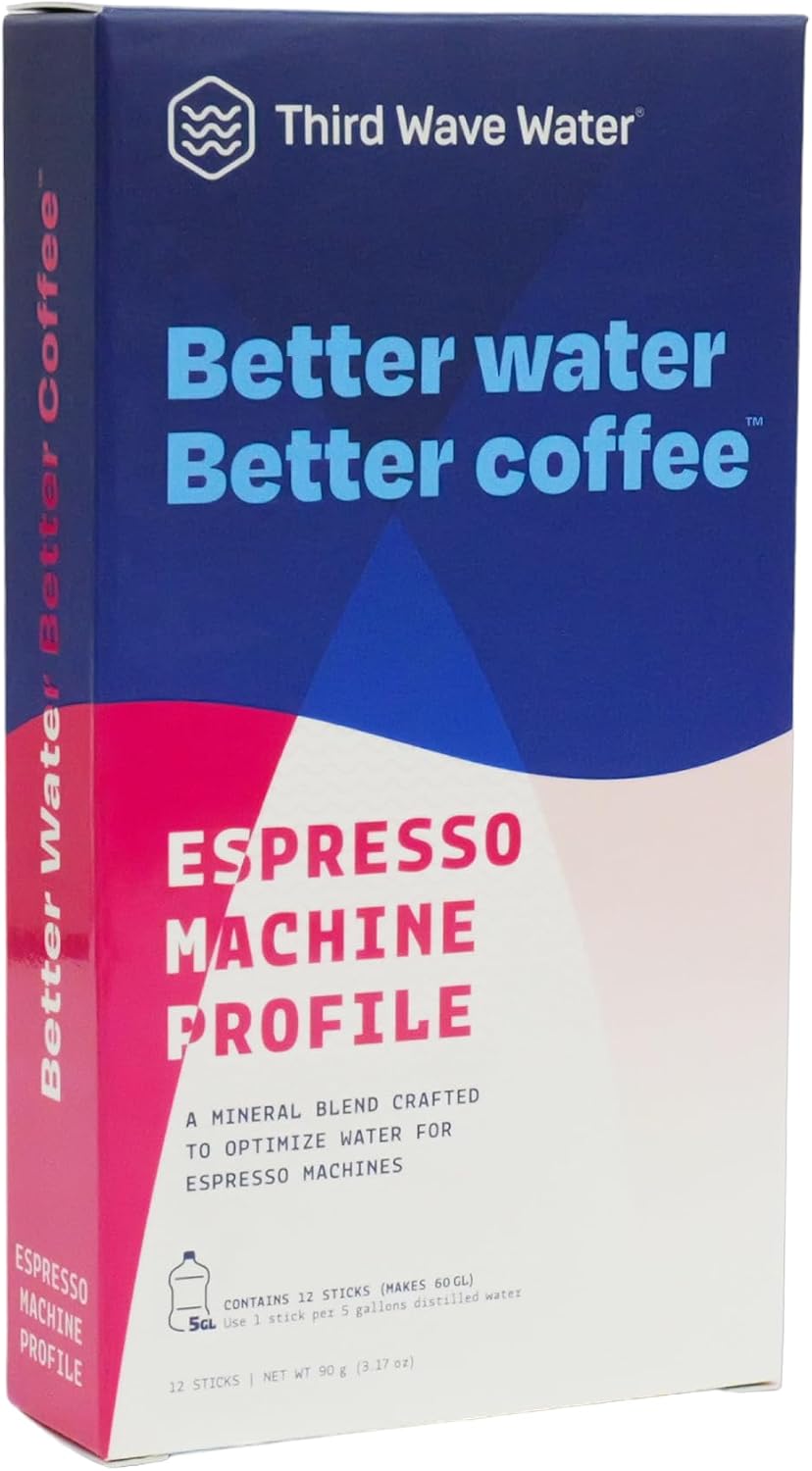 Visit on Amazon → Visit on Amazon →Third Wave Water, espresso profile |
Mineral sticks for distilled water | Anyone with hard or inconsistent tap water | Feeds the machine and protects the boiler | $29.00 |
Where the grinder fits
If you buy the Lelit Anna, you still need a grinder, and it is the line item most people cut. Do not. A burr grinder is the single biggest upgrade in espresso, and a machine without one is half a setup.
If you buy the Philips 3200, the grinder is inside it, and the ceramic burrs are the reason I trust it. You have traded the ability to upgrade for the ability to press a button. That is a fair trade for a lot of kitchens.
What I would skip
Pressurized baskets sold as a feature. Machines that need descaling every two weeks. Anything with a plastic group. And any setup where the machine costs five times the grinder, because you will feel the grinder every morning and the machine only on the days you clean it.
Should you buy the Philips 3200 Series?
Yes, if your morning has no room for a workflow. It grinds, doses, tamps, brews, and froths milk, and it does all of that without you learning a single variable. The ceramic grinder and the AquaClean filter are what separate it from the superautomatics I would not recommend.
What you give up is control. It decides the variables for you, so a stale bean tastes stale with no way to grind your way out of it. Buy it for speed and consistency, not for craft.
Should you buy the Lelit PL41TEM Anna?
Yes, if you already own a burr grinder and you want a machine you will still be using in five years. The PID is the feature you feel every single shot, and the machine is small enough for a shared apartment counter.
The compromise is the single boiler, which means real dead time between pulling a shot and steaming milk. If you make four milk drinks back to back every morning, save for a dual boiler instead. If you drink espresso most days and steam milk on weekends, the Anna is the smarter buy, and the gasket in the table above is the kind of part that keeps it running long after cheaper machines have been replaced.