Related: Best Espresso Machines for Small Kitchens
Every week somebody sends me a photo of the machine they just bought, followed by a photo of the grinder they already own, and asks why the shots taste sour. Nine times out of ten, the espresso machine and grinder pairing was decided in the wrong order. The machine got the budget. The grinder got whatever was left.
I spent twelve years behind a bar and managed a third-wave shop before I moved into home espresso consulting, and I have pulled somewhere north of 40,000 shots in that time. I also have a garage full of machines that did not survive the experiment: the Breville that leaked, the Gaggia I modded into something unrecognizable, the ECM that is still going. What I know is this. A mid-range machine with a serious grinder beats a very expensive machine with a cheap grinder, and it is not close.
So this is not a spec sheet. It is the order I would buy in, using four pieces of gear that cover the realistic range for a home kitchen: the Breville Barista Express Impress, the XIXUBX compact espresso machine, the 1Zpresso J-Max S hand grinder, and the Fellow Opus conical burr grinder. Two machines, two grinders, and the pairings that actually work.
Best Overall: Breville Barista Express Impress
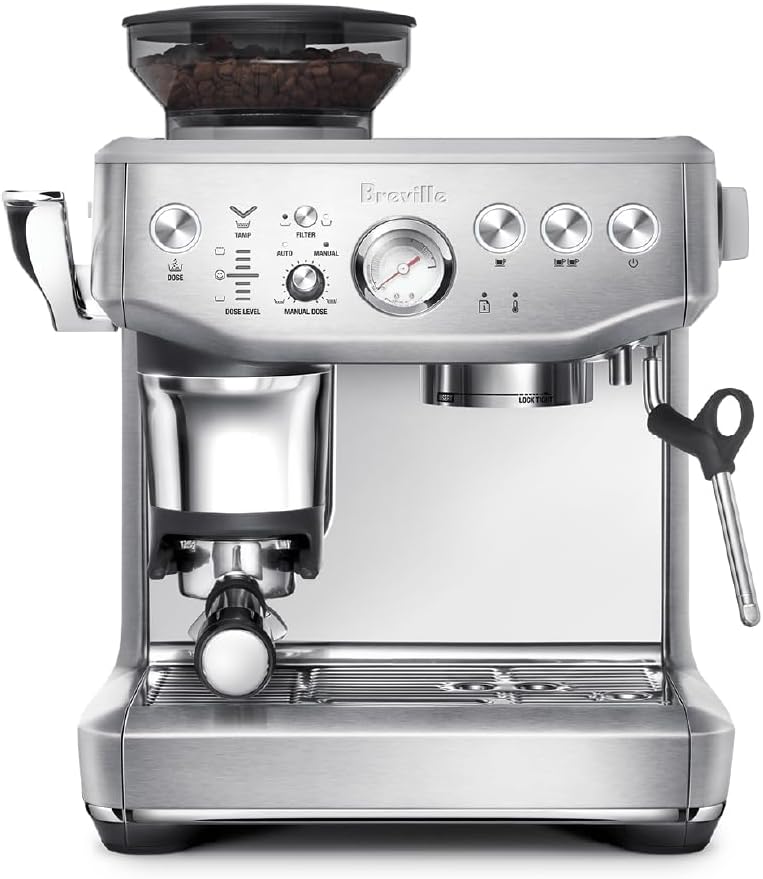
If someone asks me what to buy with one box and one plug, this is the answer. The Barista Express Impress is Breville's all-in-one: grinder on one side, brew group on the other, and a workflow that walks you through dosing and tamping so you are not learning two skills at once. For a first machine, that matters more than any line on the box.
The honest trade-off is the built-in grinder. It is the ceiling of the setup, not the floor. You will reach its limits around the same time your palate develops, which is fine, because the machine keeps working after you set a standalone grinder next to it. Buy it as a machine with a starter grinder attached, not as a grinder that happens to have a machine bolted on.
What I like is the reduction of variables. Assisted tamping takes one inconsistent human motion out of the equation, and consistency is the entire game with espresso. What I do not like is that people treat it as the end of the road. It is a starting point, and a good one. The person who buys this and then adds a real grinder eighteen months later ends up with a setup that outdrinks most neighborhood cafes. The person who buys it and never upgrades has a machine that is only ever as good as its weakest link.
Before you commit, ask one question of any machine in this class: what is the basket diameter? A real 58mm portafilter gives you a thicker puck and more forgiveness. Smaller baskets work, but they punish a sloppy distribution more, and they limit which accessories you can buy later. This is the kind of detail that never shows up in a marketing photo and always shows up in the cup.
Best Value: XIXUBX Compact Espresso Machine
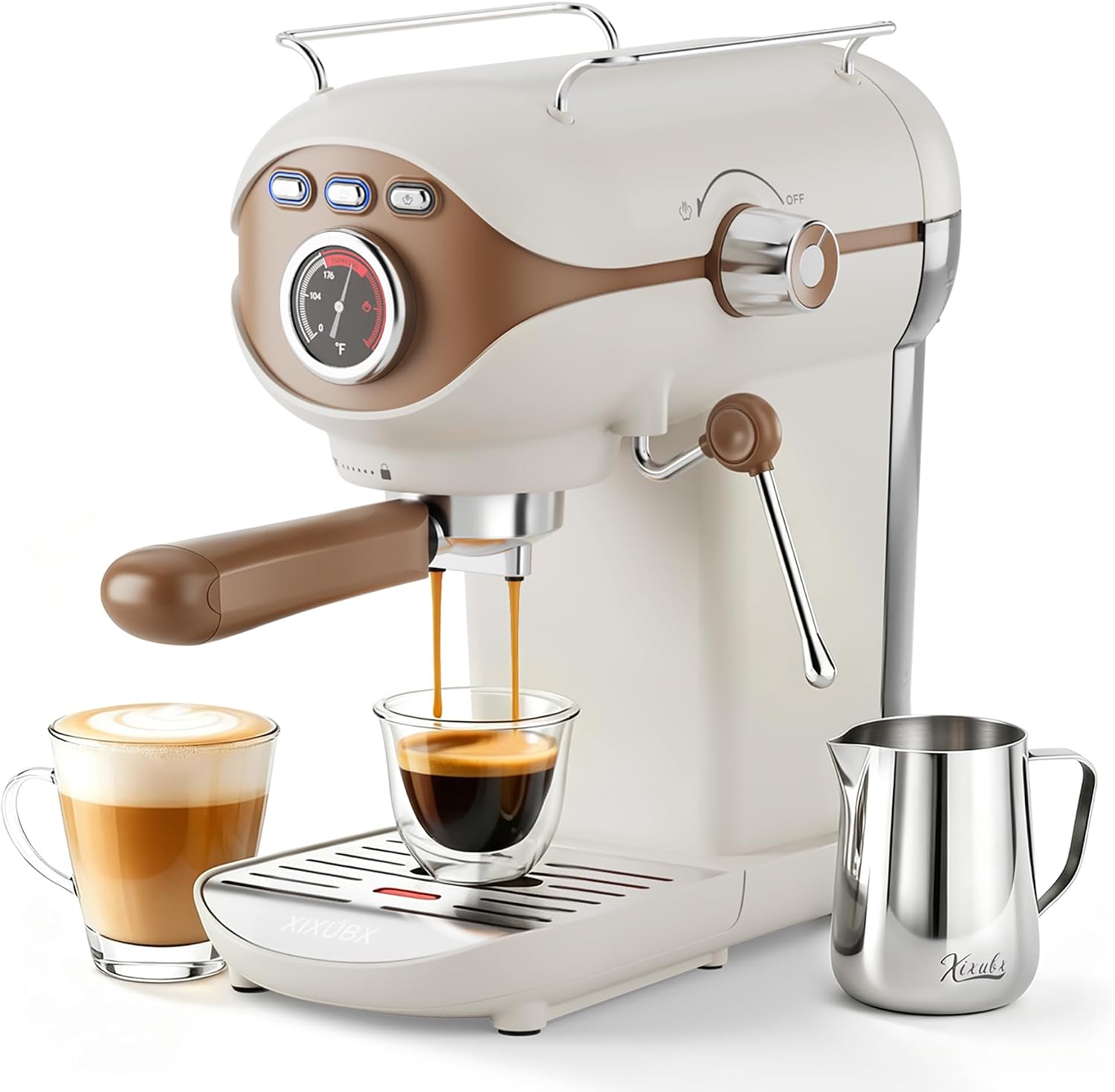
If your counter has room for a kettle and not much else, this is the category to shop in. The XIXUBX is a compact machine with a milk frother, in white, and it solves a specific problem: you want espresso at home, the counter is small, and the budget is smaller.
Expectations matter here. A compact machine is a compromise, and the smart ones are honest about it. The frother handles milk, so you can build a milk drink without a second appliance on the counter. The footprint means it fits under a cabinet. What it will not give you is the temperature stability of a machine with more thermal mass, so you learn to work with it. Warm the cup, pull the shot, and do not leave the machine sitting idle between shots waiting for company.
One thing to verify before you buy, on this machine or any budget machine: whether the basket is pressurized. A pressurized basket is sold as a feature because it forces a coarse grind and tired beans into something that looks like espresso. It is a crutch, and it hides exactly the variables you are trying to learn. If the listing describes the stock basket as pressurized, plan to find a non-pressurized basket for it, and plan to buy a grinder that can actually grind fine enough. That is where the hand grinder below earns its place.
The Grinders: Where the Shot Actually Comes From
1Zpresso J-Max S
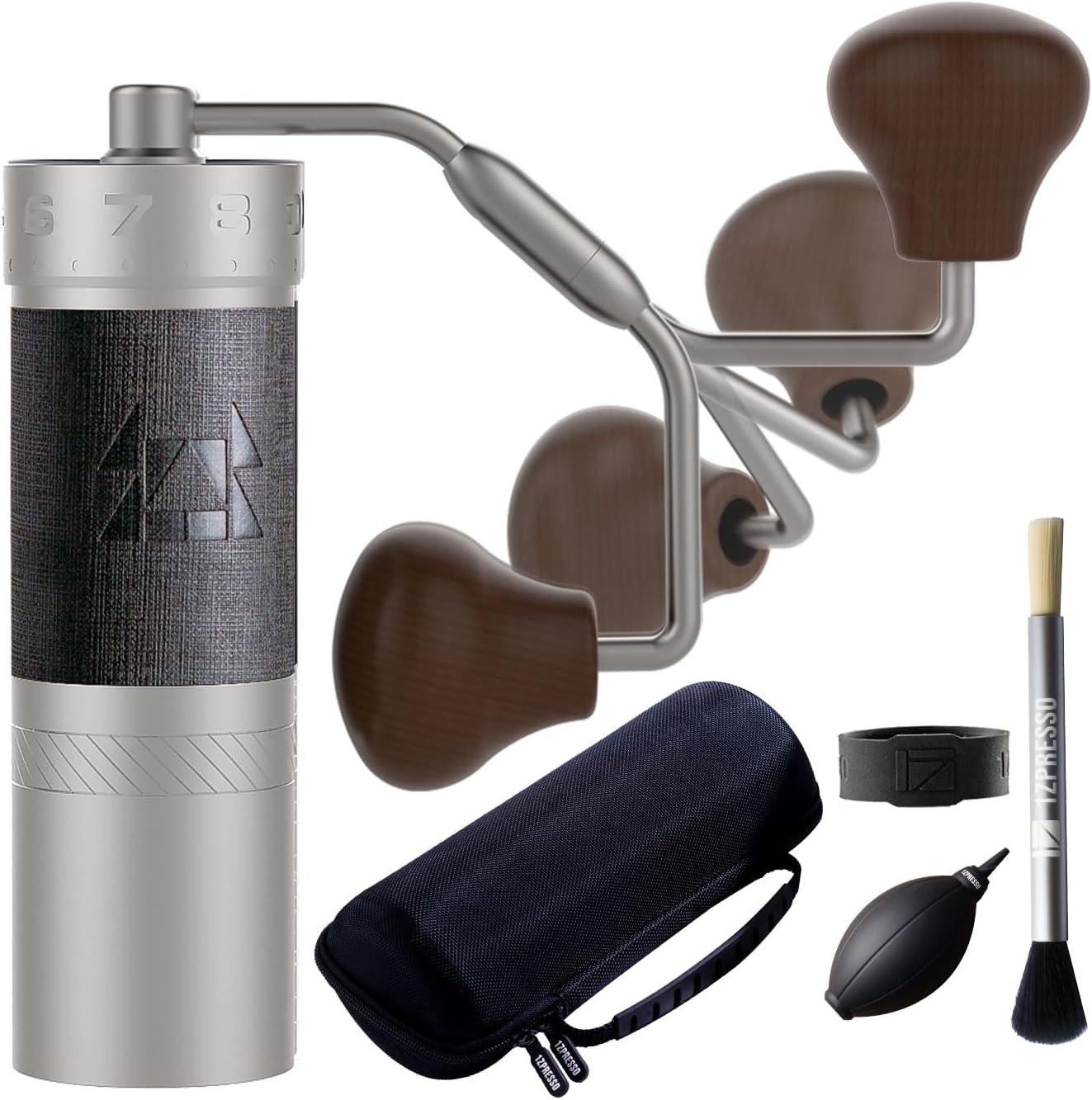
A hand grinder is the best value in espresso, full stop. No motor, no control board, no plastic gearbox waiting to strip. The 1Zpresso J-Max S is built for espresso-first dialing, which means the adjustment is fine enough that a small turn changes the shot in a way you can taste rather than guess at.
The catch is you. You are the motor. For one or two shots in the morning that is twenty or thirty seconds of cranking, and it is genuinely pleasant, the kind of small ritual that makes the coffee feel earned. For four milk drinks at a dinner party it is work. If you drink two espressos a day and nothing else, this is the grinder I would buy before I bought any machine at all. If you make six drinks back to back, read the next section.
It also travels. A hand grinder plus a compact machine is a complete setup that fits in a duffel bag, which is more than I can say for anything else I own.
Fellow Opus
The Fellow Opus is the electric answer: conical burrs, 41 settings, anti-static, in black. Anti-static is not a marketing line. It is the difference between a clean counter and grounds stuck to the inside of the catch cup like they were glued there, and anyone who has ground into a plastic cup knows exactly what I mean.
Forty-one settings covers espresso through French press, which makes it the grinder you buy when the household drinks espresso on weekdays and pour-over on weekends. It is not a single-purpose espresso grinder, and that is the point. It sits on the counter, it does not need you to crank it, and it will keep pace with a house full of people who all want a drink at the same time.
Pair either grinder with either machine. That is the whole idea. The grinder decides whether the shot is good. The machine decides whether making it is pleasant.
How I Judge a Pairing
Four things, in this order.
Grind range. Can the grinder make the adjustment the machine needs? A machine that wants a very fine grind paired with a grinder that moves in big steps is a setup that will always be one notch too coarse or one notch too fine.
Workflow. How many motions sit between "I want coffee" and "I have coffee"? Weigh, grind, dose, tamp, lock, pull, purge, steam, clean. Every step that annoys you is a step you will skip at 6 a.m., and skipped steps are how a good setup becomes a bad one.
Temperature stability. This is the feature you feel on every shot and the one you can never see in a photo. Ask how steady the brew water stays across a shot. "Sometimes great, sometimes sour" is usually temperature, not technique.
Counter reality. Measure the space before you buy. A machine that does not fit is a machine that lives in a cabinet, and a machine in a cabinet makes no coffee.
There is a fifth item, and it is the one I care about most: would I still enjoy this after month three? Everything is fun in week one. The test is whether the routine still feels worth it when the novelty is gone and you just want a cup before work.
Where the Money Should Go
If your total budget is roughly the cost of a mid-range machine, split it. A compact machine plus a hand grinder is a better setup than an all-in-one at the same money, because the grinder is the part that limits you first.
If your budget is comfortable, the all-in-one gets you brewing immediately and the standalone grinder becomes your next upgrade, in that order. You are not wasting money on the first purchase, you are buying the ability to learn on real equipment instead of reading about it for six months.
What I would not do is spend the entire budget on the machine and grind with a blade grinder or pre-ground coffee. That setup cannot make espresso. It makes a strong, bitter, muddy cup that you will blame on the machine, and then you will buy a second machine, and the problem will still be the grind. I have watched this happen to friends, coworkers, and one very stubborn neighbor who is now on his third machine.
The Pairing Reference Table
Read this as a workflow, not a ranking. The right column is the part people skip, and it is the part that decides whether the setup works.
| Setup | Role in the workflow | Best for | Grinder pairing |
|---|---|---|---|
 Visit on Amazon → Visit on Amazon →Breville Barista Express Impress |
All-in-one machine and starter grinder | First setup, one box on the counter | Built-in grinder, add a standalone later |
 Visit on Amazon → Visit on Amazon →XIXUBX Compact Espresso Machine |
Brewing and milk in one small footprint | Small counters, tight budgets | 1Zpresso J-Max S |
 Visit on Amazon → Visit on Amazon →1Zpresso J-Max S |
Espresso-first grinding, fine adjustment | One or two shots a day, small kitchens, travel | Pairs with either machine |
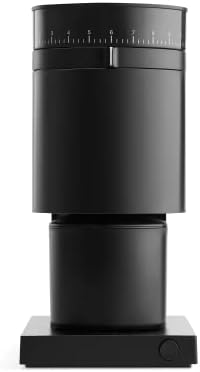 Visit on Amazon → Visit on Amazon →Fellow Opus |
Electric grinding across brew methods | Households making several drinks in a row | Pairs with either machine |
The pattern in that table is simple. Every machine row points at a grinder, and no grinder row points back at a machine as a requirement. Grinders are portable between setups. Machines are not.
Should You Buy the Breville Barista Express Impress?
Yes, if you want one box and a guided start. The built-in grinder is the compromise, not the machine. It will produce a drinkable shot while you learn dosing and tamping, and when you outgrow it you keep the machine and add a standalone grinder next to it.
What I would not do is buy it expecting the built-in grinder to be the last grinder you ever own. That expectation is the only way this machine disappoints people.
Should You Buy the XIXUBX Espresso Machine?
Yes, with clear expectations. It is a compact machine with a milk frother for a small counter and a smaller budget, and it is what you buy when the alternative is no espresso at all. Pair it with the 1Zpresso J-Max S and a scale, and you will drink better coffee than most cafes pour.
Check whether the basket is pressurized before you buy. That one detail decides whether the grinder is doing the work or the basket is faking it for you.
Do You Need Both Grinders?
Nobody needs both. Pick by how many drinks you make in a row. One or two, and the hand grinder is the better buy: more adjustment, no electronics, nothing to break. Several drinks back to back, and the electric grinder earns its counter space because you will actually use it every day.
The Order I Would Buy In
Grinder first if you can tolerate a hand grinder, machine first if you cannot. Then a scale, then a tamper that fits your basket, then a knock box. The machine is the most visible purchase and the least important one. Buy for the workflow you will actually keep, not the one you imagine on a Sunday morning with sunlight coming through the window and nothing else to do.