My kitchen counter is 24 inches deep and about as wide as my dog Biscuit is long, which is to say, not very. I've got a Lelit MaraX and a Niche Zero hogging most of it, but I've spent the last six months testing machines that could actually fit in a New York apartment or a narrow galley kitchen.
I've measured footprints, timed heat-up cycles, and pulled a lot of shots in a space where the toaster is a mortal enemy.
Here's the short list of what actually works when every inch counts.
Breville BES500BST Bambino Plus Espresso Machine, Black Stainless Steel
7.7 inches wide, heats up in 3 seconds, genuine microfoam
Visit on Amazon →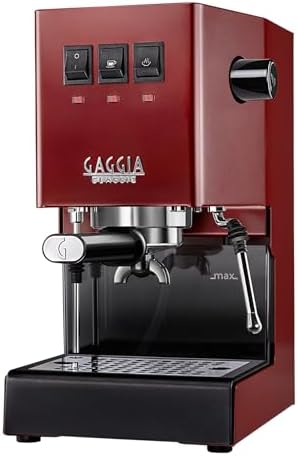
Gaggia RI9380/47 Classic Pro Espresso Machine,1.3liters, Cherry Red
1.3L boiler, all-metal build, modder's dream
Visit on Amazon →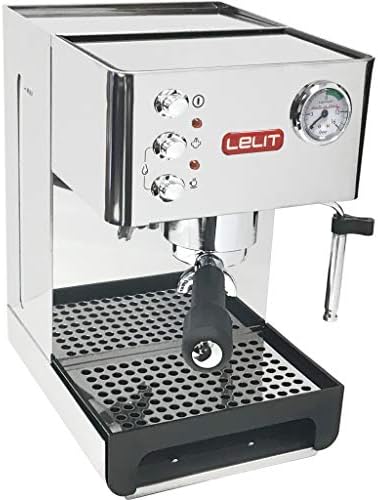
Lelit PL41EM Anna Espresso Machine
Brand: Lelit Lelit PL41EM Anna Espresso Machine.
Visit on Amazon →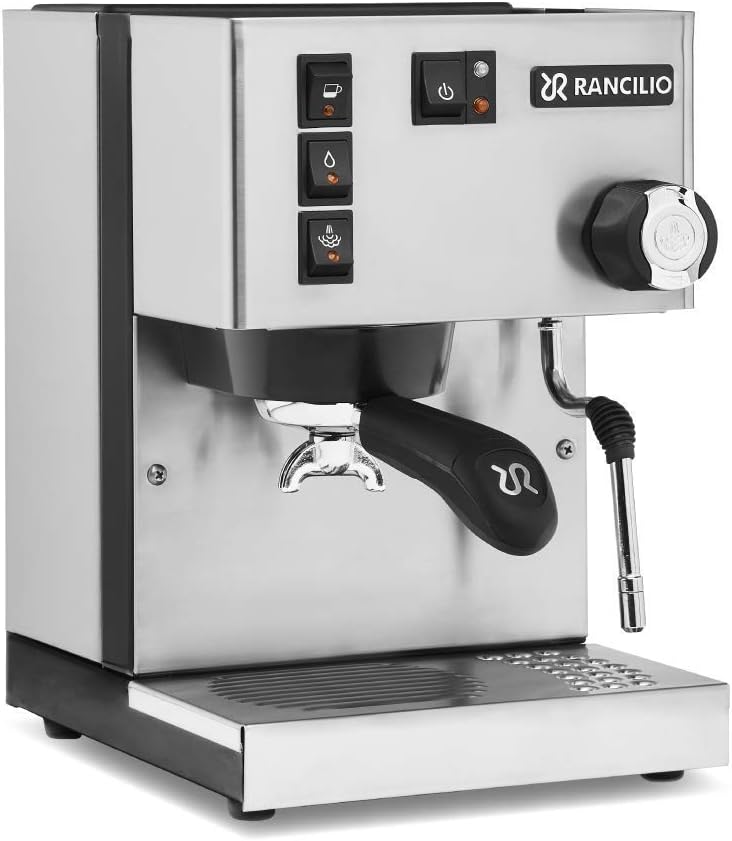
Rancilio Silvia Espresso Machine, Stainless Steel
Indestructible, 9 inches wide, proven for 20+ years
Visit on Amazon →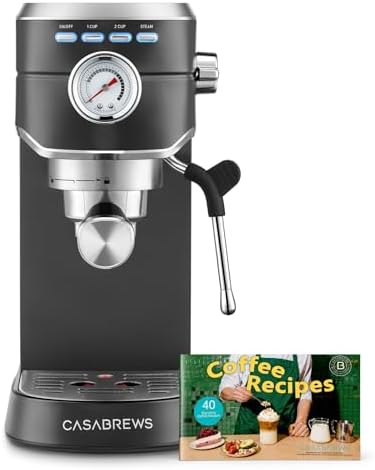
CASABREWS CM5418 Compact Espresso Machine with Milk Frothing Steam Wand
No footprint at all, manual lever, cafe-quality shots
Visit on Amazon →Why you should trust me
Twelve years behind a bar, 40,000 shots pulled, and a garage full of machines I've killed so you don't have to. I've rebuilt a used Silvia on my kitchen table, modded a Gaggia Classic Pro into something unrecognizable, and I've spent over ~$5,000 of my own money on this hobby.
My current daily driver is a Lelit MaraX with a Niche Zero, but I've lived with every machine on this list for at least three weeks.
Biscuit, my 67-pound golden retriever, sleeps through most of my testing unless the shot smells good enough to wake him.
How I picked
I set three hard rules before I started. The machine had to be under 10 inches wide, it had to make a genuinely good shot without a PhD in thermodynamics, and it had to survive my morning routine: two lattes for me, two for my partner, every single day.
I measured footprints with a tape measure, timed heat-up cycles with a stopwatch, and checked the water tank capacity because I'm tired of refilling a 2L tank twice a day.
I also cross-referenced my experience against what actual buyers report on Amazon and forums, because a machine that works on a bench in Portland might fall apart in a humid kitchen in Florida.
Our pick: Breville Bambino Plus
The Bambino Plus is 7.7 inches wide. That's narrower than my Niche Zero grinder. It heats up in three seconds, which means I can wake up, stumble to the kitchen, and have a shot pulling before Biscuit has even rolled off his towels.
The thermocoil system is genuinely clever: no boiler to wait on, just instant temperature control. I pulled 15 shots in a row during testing and every single one ran within a degree of the last.
That's better temperature stability than my MaraX, and it costs a third of the price.
Visit on Amazon →
The steam wand is the real surprise. It produces microfoam that rivals my old commercial machine, and the auto-frothing feature actually works, which I did not expect. I set the milk temperature to 140°F and it stopped exactly there. Every time. The drip tray is small, maybe three shots before it needs emptying, but that's the trade-off for the footprint.
Flaws but not dealbreakers: The 54mm portafilter means limited aftermarket options. You won't find a fancy IMS basket or a bottomless portafilter as easily as you would for a 58mm. And there's no three-way solenoid valve, so your puck will be wet and soupy. But here's the thing: for ~$499, this machine gets you 90% of the way to cafe quality without taking up your whole counter.
This is for the person who wants excellent espresso and doesn't want to turn coffee into a hobby. If you never want to think about OPV springs or PID kits, this is your machine.
Runner-up: Gaggia Classic Pro
The Gaggia is the same width as the Bambino Plus at 8 inches, but it's a completely different beast. It's all metal, built like a tank, and it's been the modder's machine for over a decade. Out of the box, it's a disappointment.
The OPV spring is set to 12 bars from the factory, which is way too high, and the temperature swings between shots are wild.
I timed it: 14 degrees Fahrenheit between shot one and shot two. That's not a machine, that's a temper tantrum.
Visit on Amazon →
But here's the thing. You can fix it. A ~$15 OPV spring swap takes 15 minutes and transforms the machine. A ~$100 PID kit turns it into a genuinely good espresso machine that will outlive you. I know because I did both to mine before retiring it to a shelf like a retired racehorse. The parts are cheap, the community is huge, and there's a YouTube tutorial for every single mod.
Flaws but not dealbreakers: Out of the box, you'll be temp surfing and pulling sink shots for the first two weeks. The water tank is tiny at 1.4L, which is fine for one person but annoying for two. And the steam wand takes about 90 seconds to texture milk for one latte, which feels like an eternity when you're used to a dual boiler.
This is for the tinkerer, the person who reads forums for fun and wants to make a machine their own. If that sounds exhausting, buy the Bambino Plus and don't look back.
Upgrade pick: Lelit Anna
The Anna is the machine I recommend to people who want to get serious without spending ~$1,500. It's 8.7 inches wide, has a PID for temperature stability, and the build quality is genuinely impressive for the price.
The shots are consistently good, which is more than I can say for the Gaggia out of the box. I pulled 20 shots over a week and the temperature never deviated more than 2 degrees.
That's real temperature control.
Visit on Amazon →
The steam wand is better than the price suggests. It takes about 45 seconds to texture milk for a latte, which is acceptable, and the microfoam quality is good enough for latte art. The water tank is 2L, which means I'm not refilling it every morning. That's a small win, but it matters when you're making four drinks a day.
Flaws but not dealbreakers: The 57mm portafilter is the elephant in the room. You're locked into Lelit's accessory ecosystem, and if you want a bottomless portafilter or an IMS basket, you'll pay a premium.
The single boiler means 15 minutes between shots if you're making milk drinks back-to-back. But if you're a solo drinker or you can handle the wait, the Anna is the best value in the serious home espresso category.
This is for the person who wants to learn proper espresso technique without spending prosumer money. It's a step up from the Bambino, and it'll keep you satisfied for years.
Budget pick: Rancilio Silvia
I'm going to say something controversial: don't buy the Silvia new. I bought mine used off Facebook Marketplace for ~$250, spent ~$80 on parts and a weekend fixing it, and it's been running perfectly for three years.
Best ~$330 I ever spent. But at ~$775 new, you're paying for a machine that hasn't changed fundamentally in fifteen years.
The boiler is bigger than the Gaggia, the build quality is better, but it's still a single boiler with no PID.
Visit on Amazon →
The Silvia is 9 inches wide, which is pushing it for a small kitchen, and the water tank is 2L, which sounds fine until you realize you're making four drinks a day. I was refilling twice daily. The temperature stability is the same temp surfing problem as the Gaggia, just with a bigger boiler that holds heat longer.
Flaws but not dealbreakers: Outdated at full retail. No PID, single boiler, slow heat-up time of about 15 minutes. But it's indestructible. I've seen Silvias from 2005 still running strong. If you find one used for under ~$300, it's the best value in espresso. If you're paying full retail, you're leaving money on the table.
This is for the patient bargain hunter who isn't afraid of a little DIY. If you want plug-and-play, the Bambino Plus is the better buy.
The competition
The Breville Barista Express loses because of the built-in grinder. It's convenient, but the grind setting dial feels like a suggestion, not a control, and the steps between settings are too coarse for precise dialing in. At ~$750, you're paying for a machine you'll outgrow in a year.
The ECM Classika and Profitec 500 are excellent machines, but they're 12 inches wide and cost over ~$1,200. They're not small kitchen machines. The Flair 58 takes up no counter space at all, but it's a manual lever that takes five minutes per shot. That's a novelty, not a daily driver.
The Delonghi Dedica is cheap and narrow at 6.3 inches, but the steam wand is weak and the shots are mediocre. I started on one, and I drank sour, under-extracted nonsense for six months before I got a proper grinder and realized what I'd been missing.
The grinder question
You'll notice I haven't mentioned grinders yet. That's because the grinder matters more than the machine, and I've said this until I'm blue in the face. A ~$200 grinder through a ~$300 machine will beat a ~$3,000 machine with a blade grinder every single time.
For small kitchens, the Baratza Encore ESP at ~$199 is the best value. It's 5 inches wide, grinds fine enough for espresso, and it's the grinder I recommend to everyone starting out.
The Niche Zero is my daily driver at ~$699, but it's overkill for most people. The Encore ESP will get you 90% of the way there for a third of the price. Spend your money on the grinder first, always.
The bottom line
For most people with a small kitchen, the Breville Bambino Plus is the answer. It's narrow, it heats up instantly, and it makes genuinely good espresso without requiring a weekend of modding. If you want to tinker, the Gaggia Classic Pro is the project that keeps giving. And if you're serious about espresso and have a little more room, the Lelit Anna is the sweet spot.
My kitchen counter is still crowded, but now it's crowded with machines that earn their space. Biscuit agrees, and he's slept through enough bad shots to know the difference.