
Well, the ~$3,000 espresso machine sits there looking beautiful while the inside slowly turns into a science experiment. I've seen it a hundred times.
Related: Do I Need an Espresso Machine? An Honest Answer From a Barista
I'm Marco. Twelve years behind the bar, 40,000 shots pulled, and I've cleaned enough group heads to know that the "self-cleaning" cycle on most machines is a polite suggestion, not a solution. I've been running my Lelit MaraX and Niche Zero combo for two years now, and before that, I killed a Breville with neglect that I'm still not proud of.
My dog Biscuit, 67 pounds of golden retriever who thinks the drip tray is a water bowl, has been my reluctant quality control through all of it.
The marketing says these machines are "low maintenance." The reality is that your espresso machine is a wet, hot, high-pressure environment where coffee oils go to die and turn into rancid sludge. Here's the routine that keeps my shots honest.
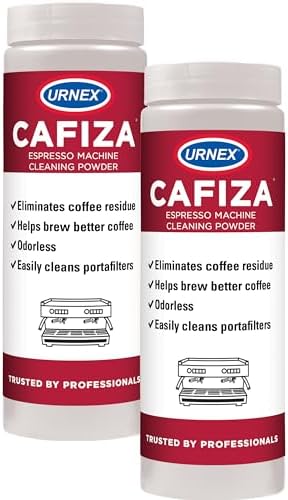
Urnex Cafiza Professional Espresso Machine Cleaning Powder 566 grams (2 Pack) - Made in USA
The industry standard. Cuts through coffee oil like nothing else.
Visit on Amazon →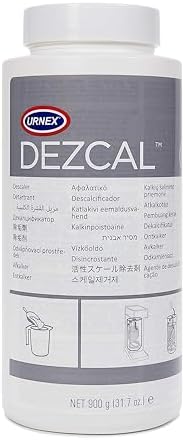
Urnex Dezcal Coffee and Espresso Machine Descaler Activated Scale Remover - 900g Bottle - Fast Effective Descaling Of Boilers and Heating Elements Faucets Spray Heads Milk Systems
Dezcal activated descaler, 31.7 Ounces
Visit on Amazon →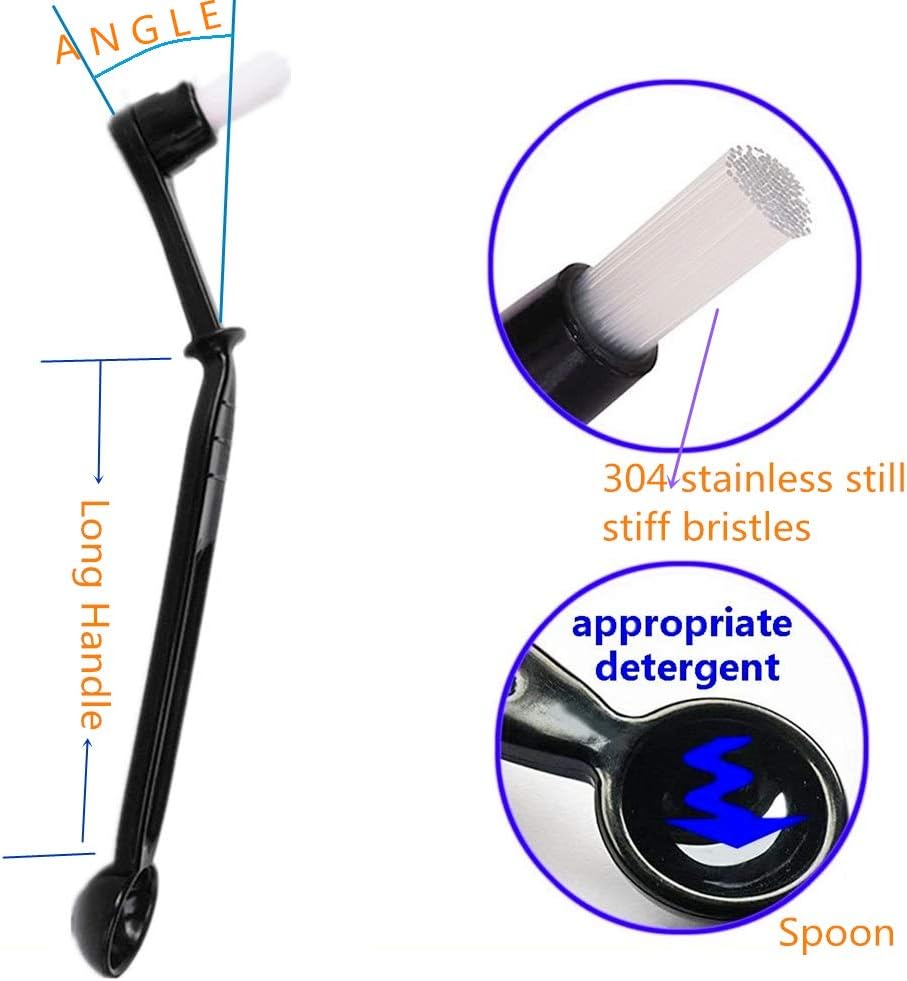
Coffee Machine Cleaning Brush Set, 2 Pieces Espresso Cleaner Brushes with Spoon Tool - Group Head Brush,Small Nylon Stainless Steel Bristles Brush for Grinders Home Kitchen Accessories
Gets into the nooks a rag can't reach.
Visit on Amazon →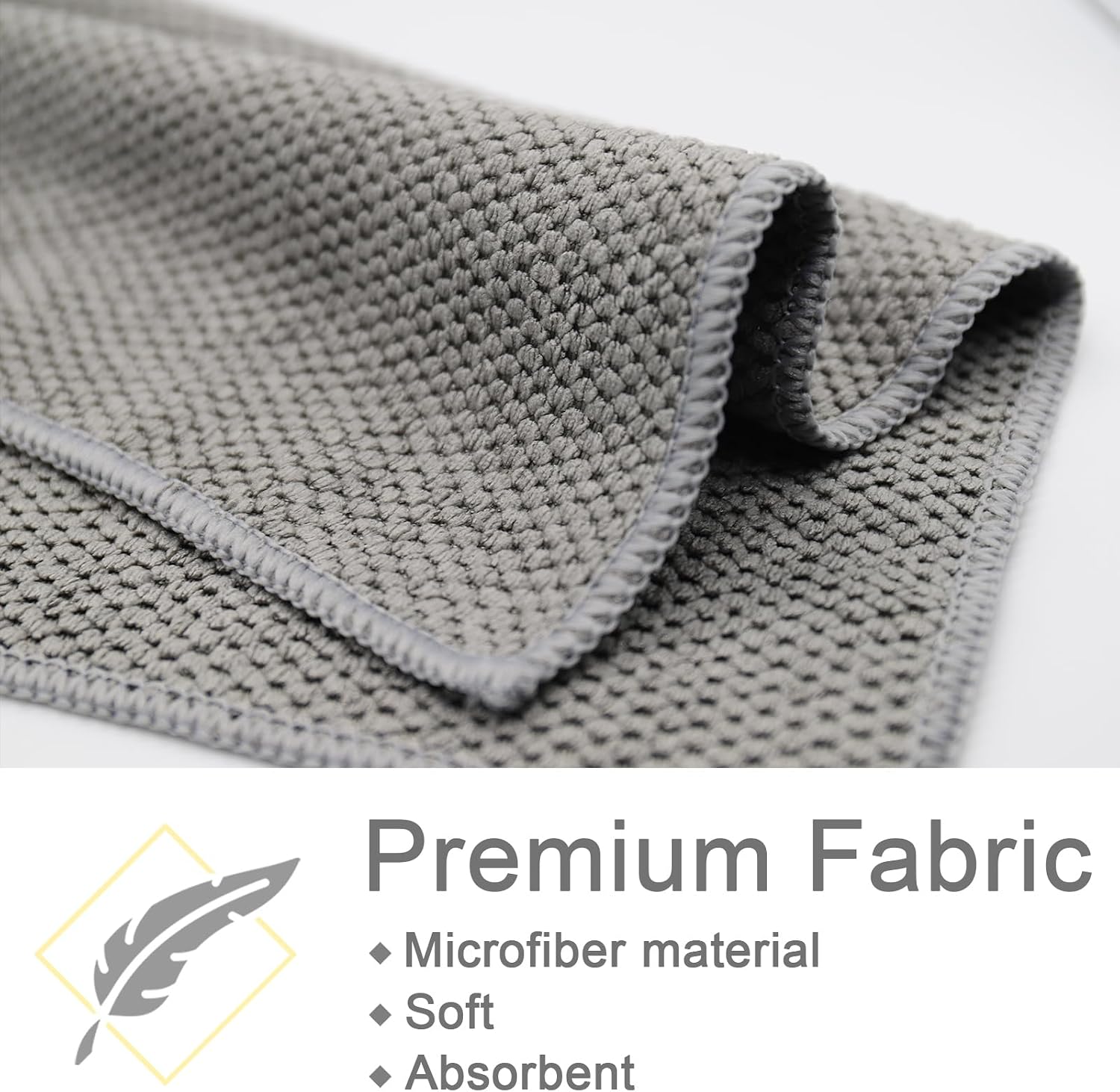
6Pack Barista Towels, Barista Microfiber Cloths, Coffee Cleaning Accessories for Espresso Machine, Steam Wand, Countertop,12”x12”
Cafiza Espresso Machine Cleaner Powder is an integral part of the daily maintenance routine for espresso machines. Specifically formulated for effective use in the back flush cleaning process, Cafiza
Visit on Amazon →The Daily Wipe-Down
The most important part of cleaning your espresso machine isn't the deep clean. It's the 30 seconds after you pull your last shot. I don't care if you have a ~$200 Delonghi or a ~$3,000 ECM. If you don't wipe the group head and the steam wand after every use, you're building a foundation of burnt-on crud that will take you an hour to fix later.
My routine is simple. After the last shot of the morning, I run a blank shot through the group head to flush the basket and the shower screen. This pushes out the loose grounds and resets the temperature.
Then I take a dry microfiber cloth and wipe the group head gasket and the shower screen. It takes ten seconds.
The steam wand gets the same treatment: purge it, wipe it, purge it again. This is non-negotiable.
I'll be real with you, I skipped this step for the first six months I owned my old Breville. The result was a group head that looked like it had been through a war, and a steam wand that had milk crust baked onto the tip. I spent a full afternoon with a brush and a prayer trying to fix it. Learn from my mistake.
The Weekly Backflush
Once a week, I backflush. If you don't know what that means, here's the short version: you put a blind basket in the portafilter, add a tiny amount of Cafiza, and run the pump for 10 seconds. This forces water back through the group head, up through the shower screen, and flushes out the coffee oil that accumulates in the brew path.
It's the single most important maintenance task for any espresso machine, and it's the one most people skip because it feels like a hassle.
The version I own, the MaraX, has a three-way solenoid valve, which makes backflushing easy. You pop in the blind basket, add a quarter teaspoon of Cafiza, and run the cycle three or four times. Then you pull a blank shot to rinse, and you're done. Fifteen minutes, once a week, and the group head stays clean enough to eat off.
For machines without a solenoid valve, like the Gaggia Classic Pro or the Rancilio Silvia, the process is a bit different. You can still backflush, but you have to be careful not to over-pressurize the boiler. I've seen people blow out their OPV spring doing this. If you're unsure, check the manual or look for a video specific to your machine. It's worth the 15 minutes to learn.
The Monthly Descale
Here's where I get on my soapbox. I live in Portland, Oregon. The water here is soft. If you live somewhere with hard water, like most of the Midwest, you need to descale more often. I descale every two to three months, using Urnex Dezcal. The process is straightforward: dilute the descaler, run it through the boiler, let it sit for 20 minutes, then rinse thoroughly.
The mistake I see people make is not rinsing enough. Descaler is acidic, and if you leave it in the boiler, it will corrode the internals. I run at least three full tanks of fresh water through after descaling. It takes time, but it's the difference between a machine that lasts ten years and one that dies at four.
I had a customer who bought a used Rancilio Silvia off Facebook Marketplace for ~$250. It was a steal, but the seller had never descaled it in five years. The boiler was so scaled up that the heating element was glowing red hot trying to reach temperature.
I spent a weekend replacing the element and the gaskets, and it cost him another ~$80 in parts. He got lucky.
Most people who skip descaling end up with a machine that just stops working one day.
The Deep Clean
Once a month, I do a more thorough clean. I pull the shower screen and the dispersion plate, and soak them in a Cafiza solution. I use a group head brush to scrub the inside of the group head, and I wipe down the steam wand with a damp cloth. I also clean the drip tray and the water tank. This is the "if you're going to do it, do it right" day.
A friend of mine, a barista who won a regional competition a few years back, taught me a trick that I've used ever since. She said, "The shower screen is the window to your soul. If it's dirty, your coffee is dirty." She's right.
A clogged shower screen causes channelling, which causes sour shots, which makes you think your beans are bad when they're actually fine.
The screen is a ~$15 part. Just replace it if it's too far gone.
The Grinder
I didn't talk about the grinder yet, and that's on purpose. The Niche Zero is a single-dose grinder, so it doesn't have a hopper full of beans sitting around getting stale. But it still needs cleaning. I take the burrs out once a month and clean them with a stiff brush. I don't use rice or those cleaning tablets, because I've seen them leave residue. A brush and a vacuum is all you need.
Here's the thing nobody tells you about grinders: the oils from the beans build up on the burrs and in the chute. If you don't clean it, your grind size will drift, and your shots will slow down. I've had to dial in a bag of beans twice because I forgot to clean the grinder. It's a pain in the ass, but it's part of the routine.
What Happens If You Skip It
I'll give you a real-world example. My buddy Dave bought a Breville Barista Express two years ago. He loved it, used it every morning, but never cleaned it. He didn't backflush, he didn't descale, he didn't wipe the group head. After about a year, he started complaining that his shots were running slow and tasting bitter. He blamed the machine.
I went over to his place, took one look at the group head, and laughed. It was caked with a brown, sticky residue that looked like tar. The shower screen was so clogged that water was barely coming through.
I spent 30 minutes cleaning it with Cafiza and a brush, and the next shot he pulled was night and day different.
He told me he'd never cleaned it because "the machine has a self-cleaning cycle."
That's the myth I want to bust. The self-cleaning cycle on most machines is just a backflush with a cleaning tablet. It doesn't clean the steam wand, it doesn't clean the drip tray, and it doesn't clean the group head gasket. It's a tool, not a replacement for regular maintenance.
The Bottom Line
Cleaning your espresso machine isn't glamorous, and it's not fun, but it's the difference between a machine that makes god shots and one that makes sink shots. The routine I've laid out (daily wipe-down, weekly backflush, monthly deep clean, and descaling every few months) takes about 20 minutes a week. That's it.
You don't need a fancy cleaning kit. You need Cafiza, a brush, a microfiber cloth, and the discipline to do it. I've spent over ~$5,000 on machines and parts, and the cheapest thing I've ever bought, the ~$12 Cafiza, has done more for my shot quality than any upgrade. Buy the cleaner, set a reminder on your phone, and thank me later.
Biscuit agrees. He's asleep on the garage floor next to the machine graveyard, dreaming of the day I pull a shot that smells good enough to wake him up.