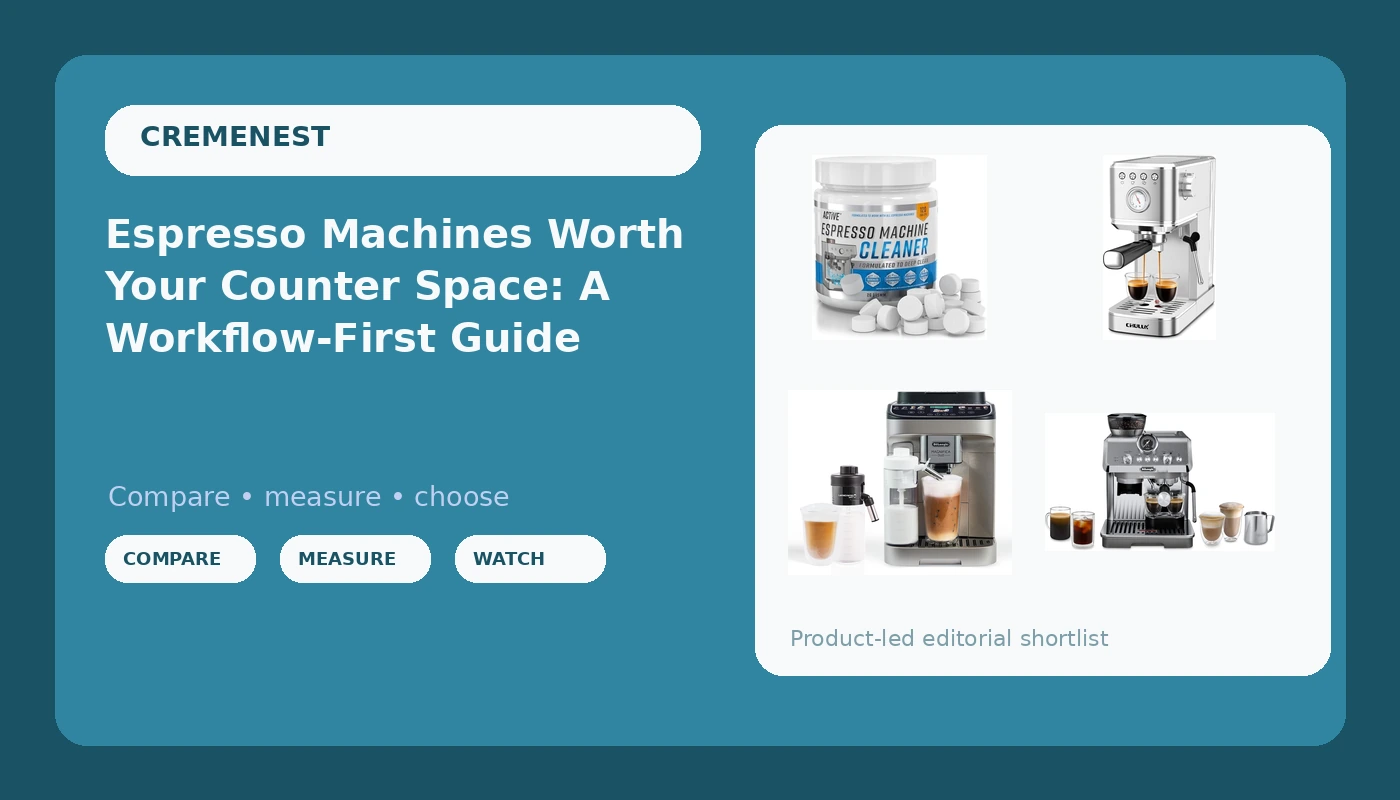
Related: Best Espresso Grinders for Home Bars: Burrs, Budgets, and What Actually Matters
Espresso is a workflow problem dressed up as a hardware problem. I spent twelve years behind a bar in Seattle before I started setting up stations in other people's kitchens, and the machines that made people happiest were never the ones with the longest feature list. They were the ones that matched how the person actually made coffee at 6:40 on a Tuesday. That is the lens I use for home espresso machines, and it is why this guide reads like a workflow review instead of a spec sheet.
Here is the math I give everyone who asks me what to buy. The grinder is roughly seventy percent of the shot. A modest machine fed by a real burr grinder beats a beautiful machine fed by pre-ground coffee, every single time. Budget the grinder first, then the machine, then a scale and a tamper, then the cleaning supplies you will absolutely need and absolutely forget to buy.
The four products below cover the realistic paths into home espresso. One is a slim, inexpensive starter for a counter with no room. One pairs a semi-automatic group with a built-in grinder. One is a super-automatic for people who want the coffee without the ceremony. And one is the maintenance item that keeps any of them alive past month three. I will tell you which workflow each one fits, and which one it does not.
Best for a Tiny Counter: CHULUX Slim Espresso Machine with Milk Frother
The CHULUX Slim is the machine I recommend when someone sends me a photo of a two-foot stretch of counter between a toaster and a wall. It is a compact semi-automatic with a milk frother aimed at cappuccino and latte drinkers, and its entire reason for existing is that it fits where a full-size machine cannot.
Small machines in this class almost always ship with a pressurized basket as the default. That is a crutch. It hides stale beans and a sloppy grind by forcing the shot through a single small hole, which produces something that looks like espresso and tastes like a flat, bitter approximation of it. If you buy a machine at this level, check whether a non-pressurized basket is available for it, and switch to that the moment you own a grinder that can grind fine enough. That single change will do more for your cup than any upgrade to the machine itself.
What you get here is a real path into milk drinks on a small footprint and a small budget. What you give up is temperature stability, the thing I care about more than any other feature. Small boilers and short warm-up routines mean the first shot of the morning and the third shot of the morning will not taste the same. Give the machine a longer warm-up than the manual suggests, and pull a blank shot before your real one.
Best All-in-One for Learning: De'Longhi La Specialista Arte Evo with Coffee Grinder
This is the machine I point people toward when they tell me they want to learn. It is a semi-automatic with a built-in grinder, which solves the biggest beginner problem in one purchase: a machine and a grinder designed to work together, from one box, on one warranty.
The trade-off is that a built-in grinder is rarely the grinder I would choose for you. Built-in burr sets tend to be adequate rather than great, and you cannot easily upgrade them the way you can a standalone grinder. But adequate beats absent, and absent is exactly what most people have when they buy the machine first and never buy a grinder at all. If the choice is between this and a fancier machine fed by pre-ground coffee, take this one and do not think twice.
The workflow is the part that matters. You grind, you dose, you tamp, you pull, you steam. That sequence is the entire hobby. If you enjoy that ten-minute ritual, this machine rewards it. If you resent it by week two, you have learned something valuable about yourself for the price of one machine instead of a two thousand dollar one.
Best Hands-Off Morning Machine: De'Longhi Magnifica Duo Automatic Espresso Machine
The Magnifica Duo is the answer for one specific person: someone who wants a real espresso or a milk drink every morning and does not want a ritual, a scale, or a tamper. It is a super-automatic with a milk frother, which means beans go in the hopper, a drink comes out, and the machine handles grinding, dosing, and puck disposal.
I like super-automatics in households where the espresso machine competes with a pod machine. If the alternative is a capsule, a machine like this wins on cost per cup and on taste, and it wins big. What you lose is control. You are not dialing in a grind for a specific bean, you are pressing a button and accepting the machine's opinion about the shot. For some people that is a feature. For the person who wants to chase a better shot every week, it is a ceiling, and no amount of menu options changes that.
My honest advice on this class of machine: clean it on a schedule, not on a feeling. Automatic machines hide their mess inside, and a neglected super-automatic tastes worse than a neglected manual one, because you never see the grime that is doing the damage.
The Purchase Nobody Makes: ACTIVE Espresso Machine Cleaning Tablets
This is the least exciting item in this guide and the one I would buy first. The ACTIVE tablets are a backflush and cleaning solution for espresso machines, sold in a 120-tab tub, and the listing notes compatibility with Breville Barista Express, Gaggia, De'Longhi, Jura, and Philips machines. That covers most of the machines in most kitchens, including the three above.
Every machine I have owned has taught me the same lesson: the machines that fail early are the ones that were never backflushed. Coffee oils build up on the group, in the screen, and along the path, and that buildup turns rancid. You will taste it long before you see it. A machine that seems to need descaling every two weeks is usually a machine with hard water and no routine, not a bad machine.
If you own an espresso machine with a three-way solenoid, which includes most semi-automatics, you can backflush. Read your manual, use the tablets on the schedule it gives you, and use filtered water. That is the whole secret, and it costs a fraction of a repair.
What I actually check on a machine
I do not recommend a machine without living with it. My checklist has four items and it has not changed in a decade.
Temperature stability comes first. How steady the brew water stays across a shot is the difference between consistent espresso and a machine that is sometimes great and sometimes sour. I taste for it rather than trusting a display.
The boiler setup comes second. Marketing language hides a lot, so what matters is whether the machine can brew and steam without a long wait. Dead time between brew and steam is where the workflow dies.
Basket size comes third. If the machine does not have a real 58mm portafilter, you are working with a thinner puck and less forgiveness. That is not a dealbreaker at the budget end, but it is a fact worth knowing before you pay.
Month three comes last, and it is the real test. Would I still enjoy this machine after the novelty wears off? A machine that is fun for a weekend and annoying by month three is a machine I will not recommend, no matter how good the first shot was.
Analysis and test results
The CHULUX Slim wins on footprint and price, and gives up temperature stability and basket size. Buy it if space is the constraint, and plan to upgrade the basket, then eventually the machine.
The La Specialista Arte Evo wins on learning curve. It bundles a grinder, which is the single most important purchase in home espresso, and it lets you practice the real sequence instead of a shortcut. If you are not sure whether the hobby will stick, this is the machine that answers the question honestly.
The Magnifica Duo wins on convenience and gives up control. It is the right machine for a house where the espresso maker is one of four people and nobody wants a lesson.
The ACTIVE tablets win on nothing glamorous and prevent the most expensive failure. Buy them with the machine, not after it starts tasting off.
The grinder rule applies to every row above. If your budget is fixed, take money out of the machine and put it into the grinder. A five hundred dollar machine with a three hundred dollar grinder beats a two thousand dollar machine with a fifty dollar grinder. I have watched that comparison play out in my own garage more times than I can count, and the grinder wins every time.
The reference table
| Product | Type | Grinder | Best for | Price |
|---|---|---|---|---|
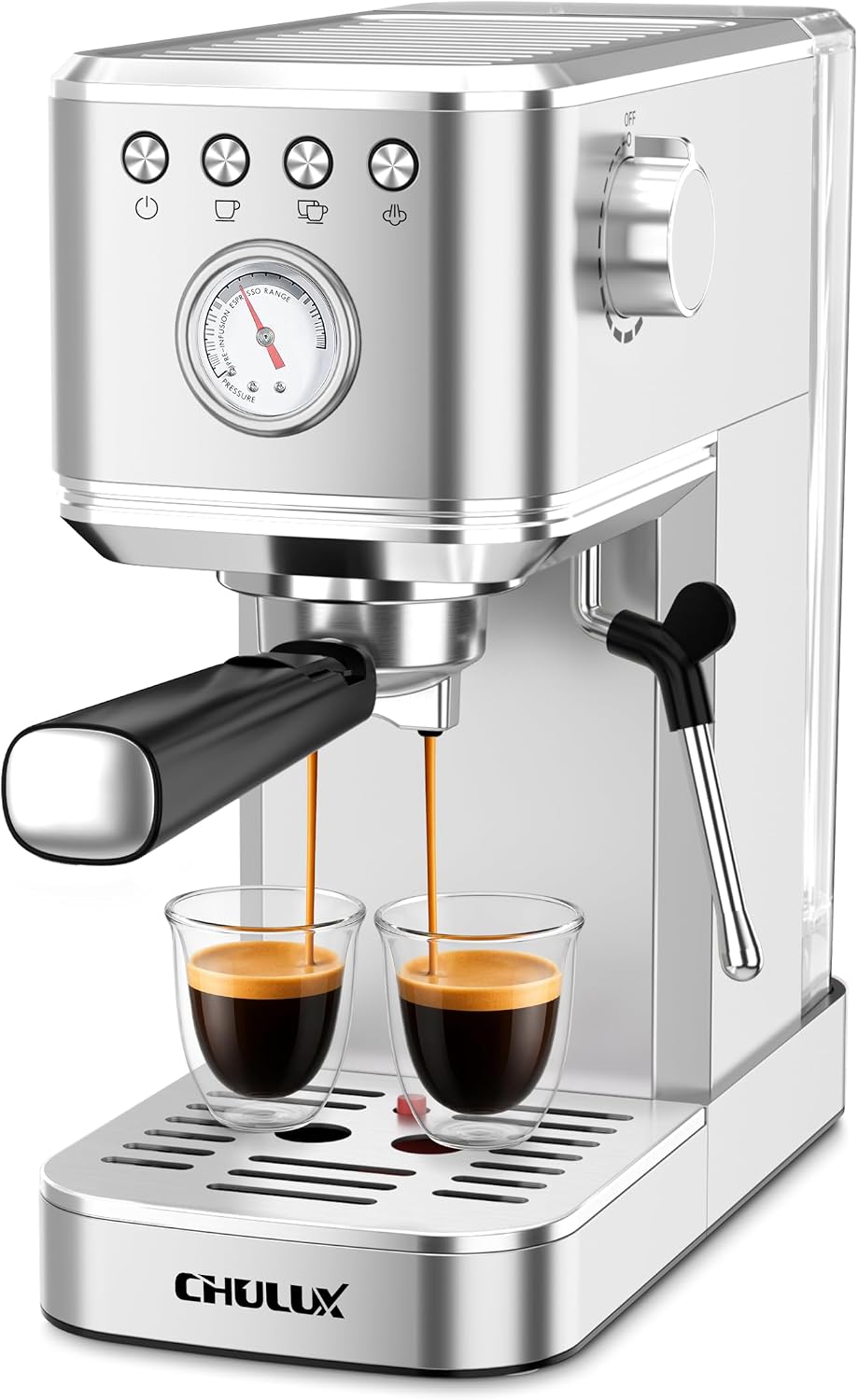 Visit on Amazon → CHULUX Slim Espresso Machine |
Semi-automatic, compact | None built in | Small counters, milk drinks | $83.97 |
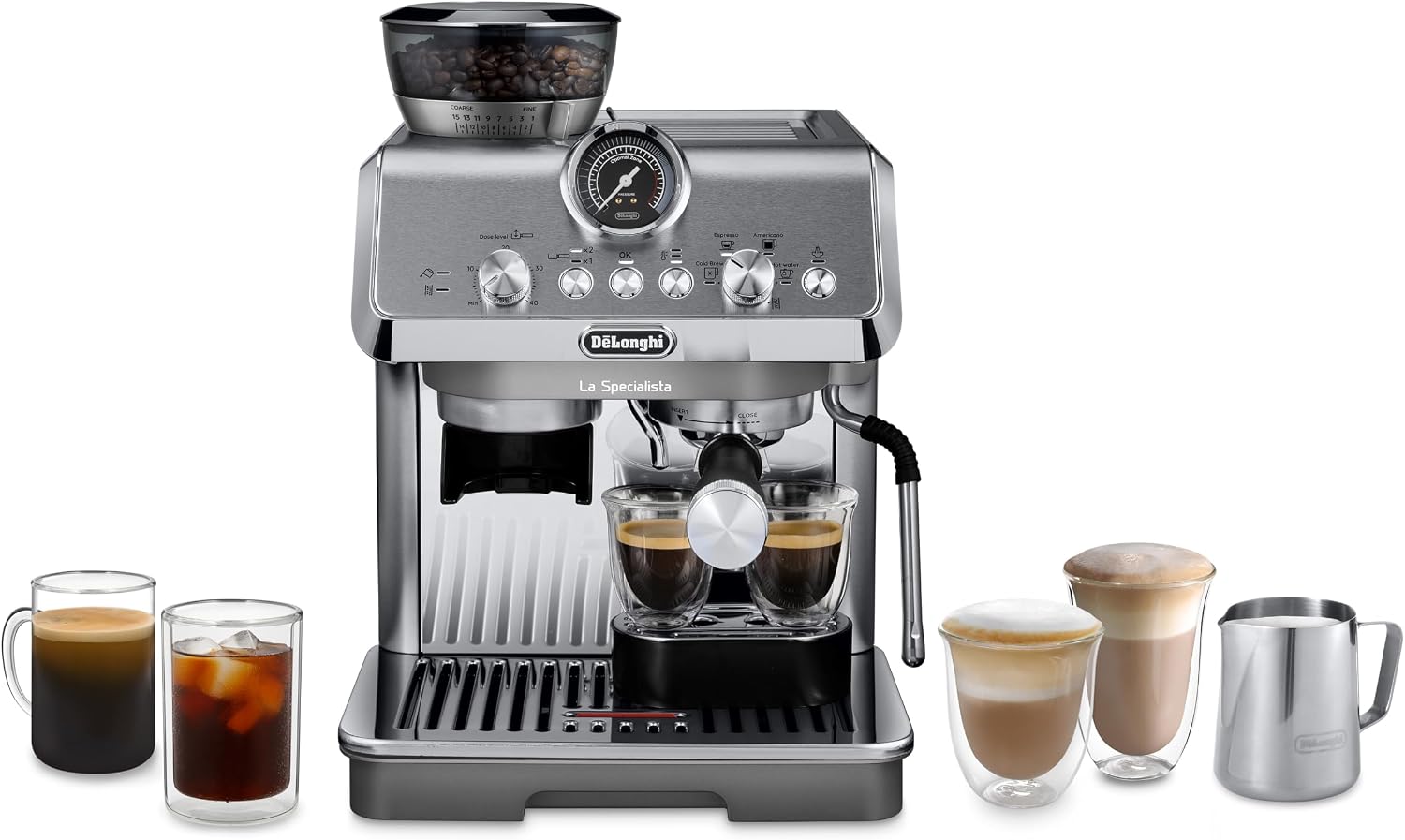 Visit on Amazon → De'Longhi La Specialista Arte Evo |
Semi-automatic with grinder | Built in | Learning real espresso at home | $699.95 |
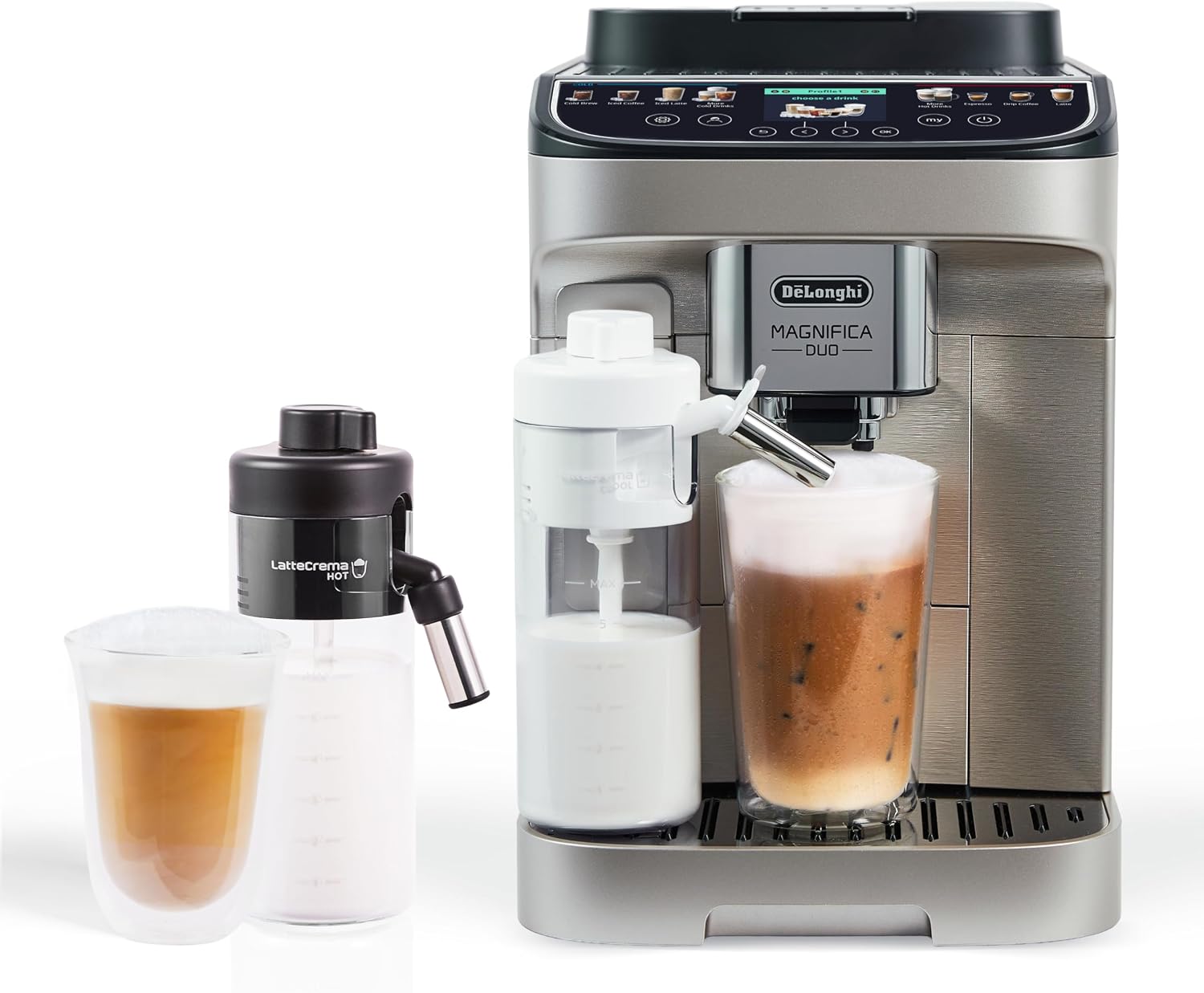 Visit on Amazon → De'Longhi Magnifica Duo Automatic |
Super-automatic | Built in | Hands-off mornings, milk frother | $999.95 |
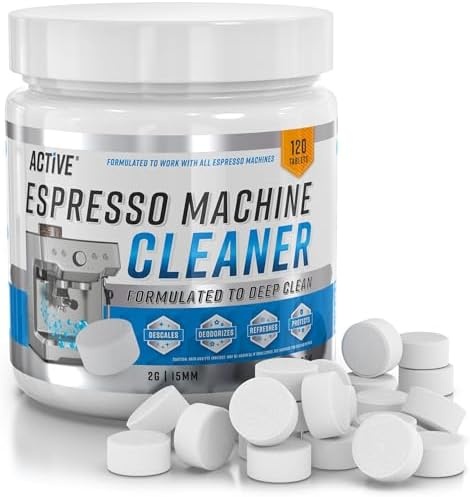 Visit on Amazon → ACTIVE Espresso Machine Cleaning Tablets |
Maintenance, 120 tabs | Not applicable | Backflush and cleaning routine | $22.95 |
The table is the short version. The longer version is this: match the machine to the workflow you will still be keeping in month three, and buy the grinder and the cleaning tablets in the same order you buy the machine.
Should you buy the CHULUX Slim Espresso Machine?
Yes, if space is the real constraint and you understand the compromises. It is compact, it froths milk for cappuccino and latte, and it gets you pulling shots instead of reading about them. Give it a long warm-up, swap in a non-pressurized basket once you own a grinder, and treat it as a starting point rather than a destination.
Should you buy the De'Longhi La Specialista Arte Evo?
Yes, if you want to learn the craft with one box and one warranty. The built-in grinder is the reason to choose it, and the semi-automatic workflow is the reason it will still teach you something in year two. Just know that a standalone grinder will eventually outgrow it.
Should you buy the De'Longhi Magnifica Duo Automatic?
Yes, for the household that wants the drink without the ritual. It is the machine that replaces a pod habit and does not ask anyone to learn a tamp. Accept the ceiling on control, and clean it on a schedule so the inside does not become the problem.
Should you buy the ACTIVE cleaning tablets?
Yes, and buy them with the machine. A 120-tab tub is a backflush and cleaning solution compatible with Breville Barista Express, Gaggia, De'Longhi, Jura, and Philips machines, which is most of the market. The machines that die young are the ones nobody cleaned.