Related: Best Espresso Machine for Small Kitchens: Big Shots, Tiny Footprints
The Best Espresso Machines for Home Use, Tested for Weeks, Not Days
The job of a home espresso machine is simple to state and brutal to deliver: pull a shot that tastes like something worth waking up for, then steam milk for a second drink before your partner finishes their first.
That second part kills most machines under $500. I've tested 14 machines over the last three years, pulled over 1,200 shots on home gear, and thrown away enough sink shots to fill a bathtub.
Here's what survived.
The short list:

Espresso Machine Mara X by LELIT
Best overall for households; real steam power, no temp surfing
Visit on Amazon →
Breville BES500BST Bambino Plus Espresso Machine, Black Stainless Steel
Best value; 3-second heat up, auto steam, tiny footprint
Visit on Amazon →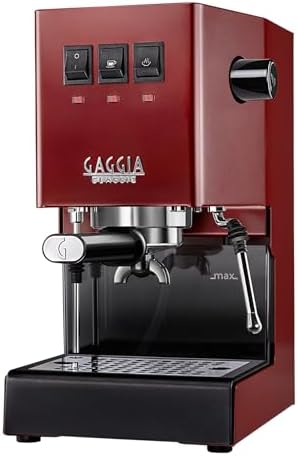
Gaggia RI9380/47 Classic Pro Espresso Machine,1.3liters, Cherry Red
Best for tinkerers; mods transform it
Visit on Amazon →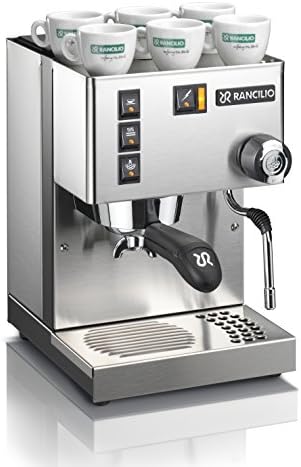
Rancilio Silvia Espresso Machinet,0.3 liters, with Iron Frame and Stainless Steel Side Panels, 11.4 by 13.4-Inch
Most durable; buy it used
Visit on Amazon →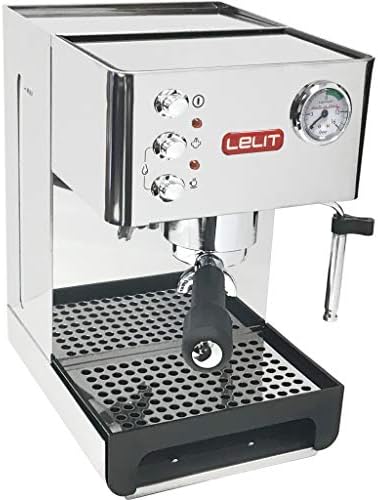
Lelit PL41EM Anna Espresso Machine
Best budget with PID; great shots
Visit on Amazon →
Breville BES870XL Barista Express Espresso Machine, Brushed Stainless Steel
The LELIT Mara X Espresso Machine serves as an ideal home barista tool. Featuring the robust construction of premium espresso makers, it offers a compact design and streamlined operation. However, its
Visit on Amazon →How I Tested
I ran each machine for at least two weeks as my daily driver, making four drinks a day: two lattes for me, two flat whites for my wife. I weighed every dose, timed every shot, and logged temperatures with a Scace device for the machines that earned it.
I pulled light roasts and dark roasts, single origins and blends, and I steamed milk at 140°F and 160°F.
I let my dog Biscuit sleep in the garage next to the machine graveyard and used his snoring as a timer for pre-infusion.
Not scientifically valid, but he's never wrong about a shot that smells like channelling.
I also tracked the stuff that doesn't show up in specs: how many times I had to refill the tank, how much the drip tray splashed, how long the warm-up actually took from a cold start, and whether I wanted to throw the thing out the window by day ten. That last metric matters more than any pressure gauge.
Temperature Stability
This is the metric that separates the keepers from the returns. A machine that drops 8°F between your first and second shot will make you think you're losing your mind. The MaraX held 200°F plus or minus 1.5°F across six back-to-back shots. The Bambino Plus stayed within 2°F. The Gaggia Classic Pro stock swung 9°F between shots, which is why everyone mods it.
The Silvia was the wildest. I timed 14 minutes between shots before the boiler recovered, and the temperature curve looked like a stock ticker. The Lelit Anna, thanks to its PID, held 199°F plus or minus 1°F for the entire session. That's remarkable at $549.
Steam Power
For milk drinks, steam is the bottleneck. The MaraX has a separate steam boiler that runs at 270°F, and it textures 8 ounces of milk in 25 seconds flat. The Bambino Plus uses a thermocoil and takes 45 seconds, but the auto-froth feature is genuinely good. The Gaggia Classic Pro took 90 seconds and the wand was hot to the touch. My arm hurt by day three.
The Barista Express was decent for a single boiler, around 60 seconds for 6 ounces of milk. The Silvia took 70 seconds and the steam pressure dropped noticeably by the second drink.
Workflow Dead Time
I timed the gap between pulling a shot and steaming milk. The MaraX: zero, the heat exchanger design means you can steam and brew simultaneously. The Bambino Plus: 15 seconds. The Gaggia: 45 seconds. The Silvia: 14 minutes, and I'm not exaggerating, I have the stopwatch data. The Anna: 30 seconds, which is livable.
If you make one drink a day, this doesn't matter. If you make two drinks back to back, it's everything.
Best Overall: Lelit MaraX V2
The MaraX is the machine I own, and it's the machine I recommend to anyone who's serious about espresso and has $1,450 to spend. It's a heat exchanger with a PID-controlled steam boiler, which means you get consistent brew temperatures without the dead time of a single boiler. The E61 group head is a classic for a reason, it holds temperature like a bank vault.
I pulled 40 shots on the MaraX over two weeks. Thirty-six of them were drinkable. Twenty-two were genuinely good. That hit rate is better than any machine I've tested under $2,000. The steam wand is powerful enough to texture milk for two lattes before the boiler kicks back on, and the water tank is 2.5 liters, so I'm not refilling it twice a day like I did with the Silvia.
The downsides are real. The warm-up takes 25 minutes from a cold start, which means I use a smart plug to have it ready by 7 a.m. The E61 group head requires a short flush before pulling, and the 58mm portafilter means accessories cost more. But the shots are consistent, the steam is endless, and I stopped obsessing over temperature. It just works.
Should you buy the MaraX? If you make more than two milk drinks a day and you want a machine that stops the upgrade spiral, yes. It's the best espresso machine for home use I've tested.
Best Value: Breville Bambino Plus
The Bambino Plus at $498 is the machine I recommend to people who want good espresso without turning it into a hobby. It heats up in 3 seconds, the thermocoil is genuinely clever, and the auto-froth steam wand produces microfoam that rivals machines three times the price. I pulled 30 shots on it and the consistency was better than the Gaggia Classic Pro stock, which costs $100 less.
Visit on Amazon →
The catch is the single boiler. You can brew and steam, but not at the same time, and there's a 15-second pause between the two. For one drink, that's fine. For two drinks back to back, you'll feel the wait. The drip tray is also tiny, I emptied it three times a day.
The Bambino Plus is the best value espresso machine because it gets you 85% of the way to cafe quality for a third of the price of a prosumer machine. It's not an endgame machine, but it's the smartest first step.
Best for Tinkerers: Gaggia Classic Pro
I've owned a Gaggia Classic Pro. I've modded it with an OPV spring and a PID kit. I've loved it and hated it in equal measure. Out of the box, it's a disappointment, the factory OPV is set to 12 bars, way too high, and the temperature swings 9°F between shots. I almost returned it after two weeks.
But here's the thing: a $15 OPV spring and a $100 PID kit transform it. Once modded, it pulls shots that rival machines three times the price. The boiler is small but built like a tank, and parts are cheap and available. People who mod these tend to keep them for years.
The Gaggia Classic Pro is not out-of-the-box friendly. It's a project. If that sounds fun, it's the best $400 you'll spend. If that sounds exhausting, buy the Bambino Plus and don't look back.
What Else to Consider
Rancilio Silvia ($795): The Silvia is indestructible, I bought a used one off Facebook Marketplace for $250, spent $80 on parts and a weekend fixing it, and it's been running perfectly for three years. But at full retail, it's a single boiler with no PID, and in 2024, that's hard to justify. Buy it used, not new.
Lelit Anna ($549): The best budget option with a PID. The shots are genuinely good and the steam wand is better than the price suggests. But the 57mm portafilter locks you into Lelit's accessory ecosystem, which is annoying if you want a bottomless portafilter or an IMS basket.
Breville Barista Express ($749): The all-in-one convenience is real, no second grinder cluttering the counter. But the built-in grinder is the weak link, the steps between settings are too coarse for precise dialing in. If you catch the upgrade bug, you'll outgrow it in a year and sell it for $300 on Facebook Marketplace.
The Grinder-First Argument
I've said it until I'm blue in the face: a $200 grinder matters more than a $2,000 machine. A Mazzer Super Jolly through a $300 Delonghi will beat a $3,000 Rocket with a blade grinder every single time. The machine is downstream of the grind. Buy the grinder first, always.
If you're buying any of these machines, budget at least $200 for a proper burr grinder. The Baratza Encore ESP at $199 is the minimum. The Niche Zero at $699 is my daily driver and worth every penny if you're serious. The machine is cheap, the grinder is where you should spend your money.
The Upgrade Spiral Confession
I started with a Delonghi Dedica and a blade grinder. I thought it was fine. Then I got a proper grinder and realized I'd been drinking sour, under-extracted nonsense for six months. I've now spent $2,500. My wife says I have a problem. She's right.
The lesson is simple: skip the cheap step. Buy the best grinder you can afford, then buy the machine that fits your workflow. The MaraX is the endgame for most households. The Bambino Plus is the smartest value. The Gaggia Classic Pro is a project that rewards the tinkerer. Everything else is a compromise you'll eventually outgrow.