I have spent twelve years behind an espresso bar, most of them in Seattle, and the last few of those helping friends and coworkers build stations in kitchens that were never designed for coffee. The pattern never changes. Someone buys a machine because the box looks impressive, sets it next to a blade grinder, and then spends six months wondering why the shots taste thin and sour. The espresso machine and grinder decision is one decision, not two, and the order matters: grinder first, machine second.
The best espresso machine and grinder pairing for most people here is the Breville Barista Express Impress, because the integrated grinder and assisted tamping let you learn the whole workflow without buying two separate machines. If you already own a machine and want the single biggest upgrade to your cup, the 1Zpresso J-Max hand grinder is the move, and it slots in next to almost anything.
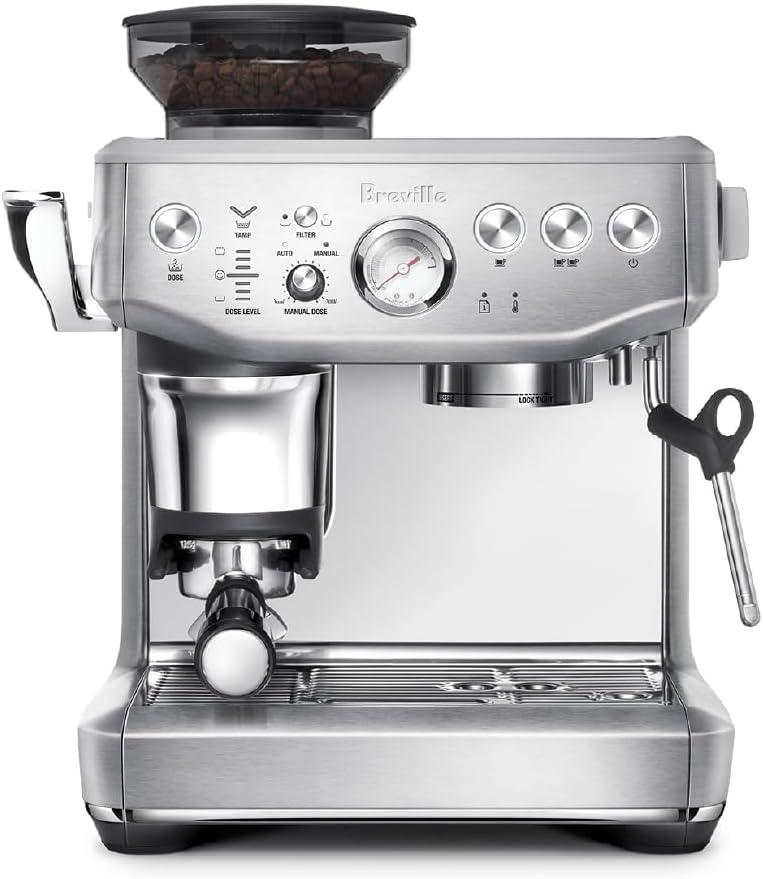
Breville BES876BSS Barista Express Impress, Brushed Stainless Steel
Teaches the full workflow in one box, integrated grinder, assisted tamping removes a variable for beginners
The built in grinder is workable rather than excellent, and you cannot upgrade it separately
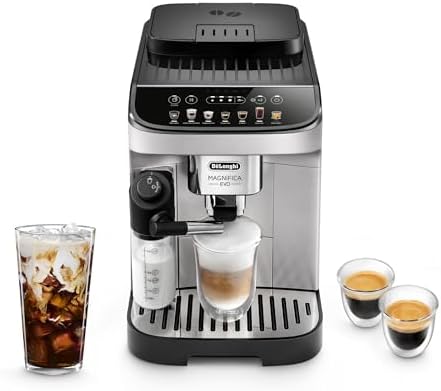
De'Longhi Magnifica Evo Automatic Espresso Machine, Milk Frother, Silver
One touch coffee, built in milk frothing, no puck prep, easiest to live with for a household of milk drinkers
You hand over control of dose and grind, so it is a poor machine to learn on
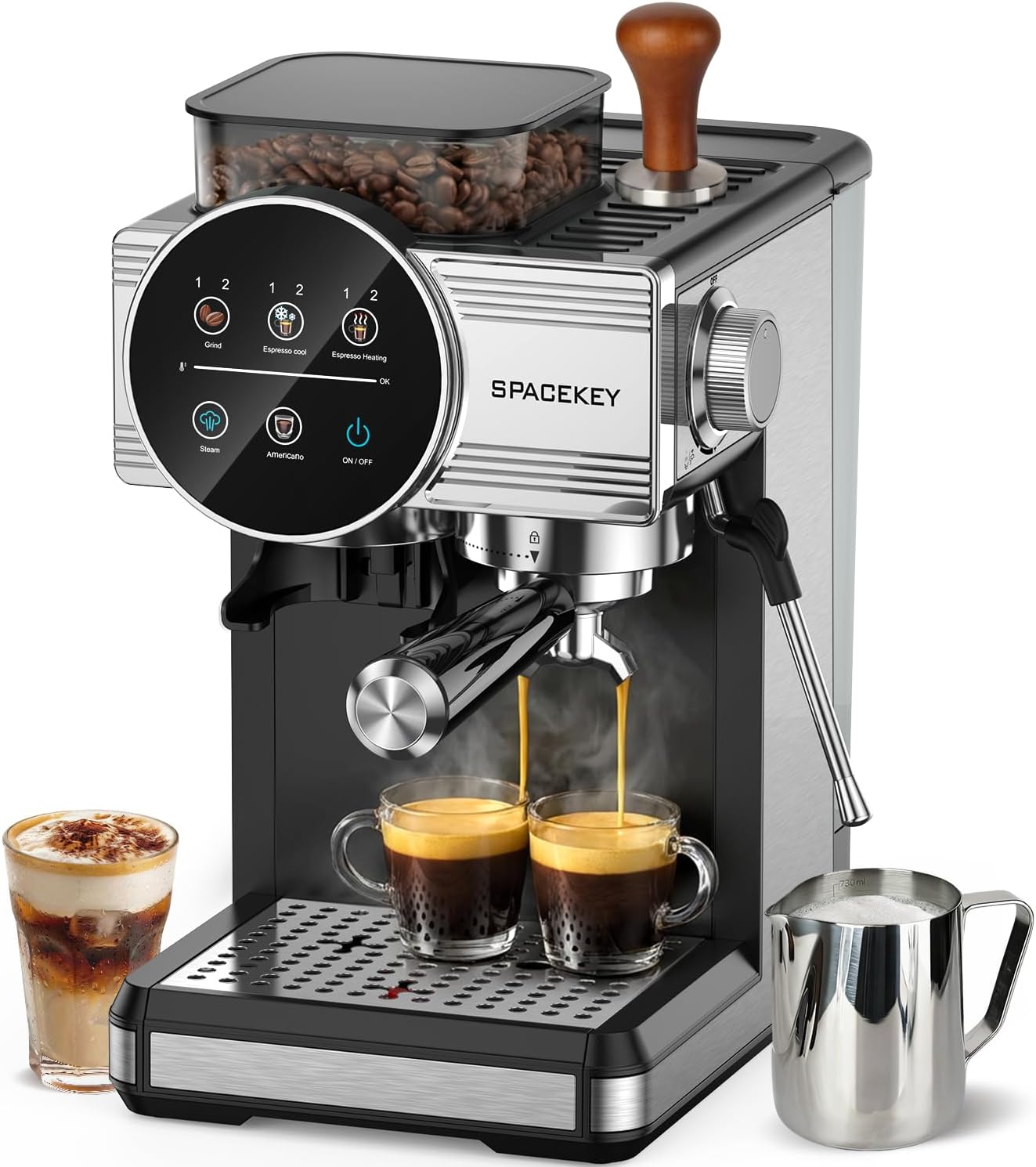
Espresso Machine with Grinder and Frother, 30 Grind Settings, 20 Bar
Cheapest complete path to espresso plus milk, wide grind adjustment range on paper, small footprint
The built in grinder is the limiting part, and a 20 bar rating is a marketing number, not a recipe
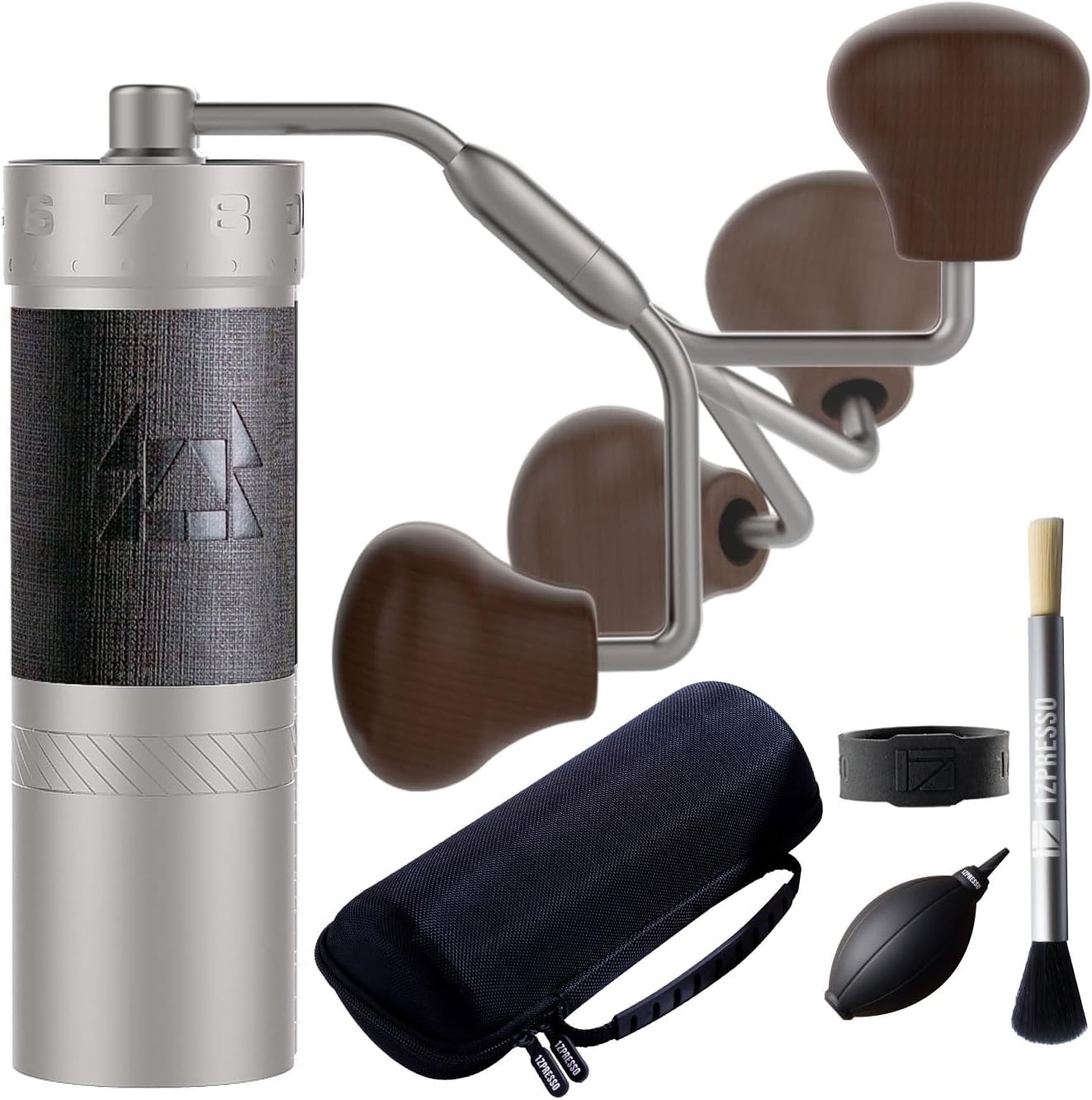
1ZpressoJ-Max/J-Ultra Manual Coffee Grinder (J-Max S)
Best grind quality per dollar of anything here, no counter footprint, pairs with any machine
You hand crank every shot, which is fine for one and painful for four
Prices and availability were captured from Amazon Creators API and may change.
What actually makes a pairing work
Three things decide whether a machine and a grinder work together: how fine and consistent the grind can go, how stable the brew temperature stays from shot to shot, and how long you wait between pulling a shot and steaming milk. Everything else on the box is decoration.
Espresso is a narrow target. You want roughly nine bar at the puck, water in the low nineties Celsius, and a grind fine enough to create resistance without choking the flow. Most budget machines ship with a pump rated far above nine bar and a pressurized basket to compensate for a grinder that cannot go fine enough. That combination produces something that looks like espresso and tastes like hot, watery coffee. The first change I suggest to anyone stuck there is a non pressurized basket plus a grinder that can actually feed it.
Temperature stability comes next. A machine that swings several degrees between shots gives you one good shot and one sour shot from the same beans, and you will blame the beans. That gap between an entry machine and a serious one is where most of the money goes, and it is the feature you feel every single morning.
Then workflow. Dead time is the wait between brewing and steaming on a single boiler machine. If you make two flat whites every morning, a long dead time turns a four minute routine into a twelve minute one, and that is how machines end up in a cabinet by month three.
The superautomatic: De'Longhi Magnifica Evo
The De'Longhi Magnifica Evo is the one I recommend to people who love coffee but will never weigh a dose. It grinds, doses, brews, and froths milk with the press of a button, and the silver finish is easy to wipe down, which matters more than anyone admits in a kitchen that also produces breakfast.
Here is the honest trade off. A superautomatic decides the dose and the grind for you, and the adjustment steps inside a bean to cup machine are coarse compared with a dedicated grinder. That is the point of the design, and it is also why you cannot learn much from it. You will not taste the difference between two grind settings the way you would on a machine where you control the dose. You will get a consistent, pleasant, slightly flat cup every morning with no puck prep and no scale.
If your household runs on lattes and cappuccinos, and especially if two people want coffee at the same time, this is the least friction you can buy. If you want to chase a better shot, this machine will frustrate you within a month. Clean the milk system on a schedule, because automatic frothing systems are the part that fails first when they are ignored.
The learning machine: Breville Barista Express Impress
The Breville Barista Express Impress is the one I tell beginners to buy when they are serious. The integrated conical grinder sits above the group head, the Impress part of the name refers to the assisted tamping lever that levels and compresses the puck for you, and the brushed stainless body looks like it belongs in a kitchen rather than a dorm room.
What I like about this design is that it removes the two things that ruin a beginner's first month: uneven distribution and inconsistent tamp pressure. You still dose, you still adjust the grind, you still watch the shot, but one entire variable is handled by the machine while you learn what a proper extraction looks like. That is a genuinely good teaching tool.
What I do not like is the built in grinder. It is workable, and it will carry you through your first year, but it is not the grinder you would choose if you were buying separately, and you cannot swap it out. The other thing to know is that this is the most expensive of the four options, and part of that price is convenience rather than cup quality. Buy it for the workflow, not for the burrs.
The budget combo: Espresso Machine with Grinder and Frother
The Espresso Machine with Grinder and Frother, 30 Grind Settings, 20 Bar is the entry point, and I want to be fair to it. Thirty grind settings give you a real adjustment range on paper, the frother covers milk drinks, and the whole thing takes up less counter than a toaster oven. For someone who is not sure they will stick with the hobby, that is a low risk way to find out.
The 20 bar number is the part to ignore. Espresso wants about nine bar, and higher pump ratings exist mostly for the spec sheet. What matters is whether the grinder can produce a fine, even grind, and on a machine at this level the grinder is always the limiting component. Expect to spend some time dialing in, expect the steps between grind settings to feel wide, and expect to taste the difference the day you upgrade the grinder.
Two cheap fixes transform this machine: a kitchen scale that reads to a tenth of a gram, and a non pressurized basket if one is not included. Fresh beans roasted within a few weeks matter more here than on any other machine in this list, because there is less headroom to hide stale coffee. Pair it with good beans and a scale, and it makes a better cup than its price suggests.
The hand grinder: 1Zpresso J-Max
The 1ZpressoJ-Max/J-Ultra Manual Coffee Grinder (J-Max S) is the odd one out here because it is not a machine at all, and it is the upgrade I recommend most often. A hand grinder with good burrs will outperform the built in grinder on any all in one at this level, and it takes up no counter space.
This is where my whole philosophy lives. The grinder is roughly seventy percent of the shot, and the fastest way to improve your coffee is to improve the grind before you improve the machine. If you already own a budget espresso machine, adding a grinder like this one usually changes your cup more than replacing the machine would.
The trade offs are real and physical. You crank every shot by hand, which takes maybe thirty seconds of effort, and that is fine for one person and less fine when four people want coffee before work. The adjustment mechanism rewards attention: small changes make big differences, so move in small steps and taste as you go. It also travels, which is why it ends up in more than one suitcase in my family.
Where the money should go
If you are starting from nothing and you want the least frustrating path, buy the all in one that teaches you the workflow, learn on it for a year, and then decide whether you want to separate the two jobs. If you already own a machine, even a cheap one, buy the grinder first. A modest machine with a good grinder beats an expensive machine with a mediocre one every single time, and it is not close.
If your household just wants coffee without ceremony, the superautomatic is the correct answer and there is no shame in it. The worst outcome is buying a machine that demands a workflow you will not keep. Buy for the Tuesday morning you actually have, not the Sunday morning you imagine.
What to check before you buy
A few specifics that separate a machine you keep from a machine you resell.
Look at the portafilter size. The professional standard is 58mm, and smaller baskets mean thinner pucks and less forgiveness for a beginner. It is not a dealbreaker at the entry level, but it is the reason a cheap machine feels twitchy.
Look for a non pressurized basket. If the default is pressurized, you are drinking around your grinder rather than through it, and stale beans taste almost acceptable, which is worse than tasting bad.
Look at the steam wand or frothing system. If you drink milk drinks, steam quality is half the drink. Automatic systems are convenient and need cleaning. Manual wands reward practice.
Look at the dead time between brew and steam on single boiler machines, and be honest about how many drinks you make back to back.
And check the descaling routine before you buy, because a machine that wants descaling every two weeks in Seattle water will wear out your patience long before it wears out its pump.
The short version
The Breville Barista Express Impress is the best single purchase for a beginner who wants to learn. The De'Longhi Magnifica Evo is the best purchase for a household that wants coffee without a routine. The budget grinder and frother combo is the low risk way to test whether you enjoy this at all. And the 1Zpresso hand grinder is the one item on this list that improves whatever you already own, which is exactly why it belongs in a comparison about machines.