
Best Water For Espresso: The 2026 Lab Report
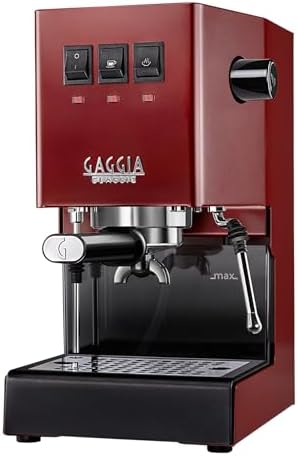
Look, I've spent the last six weeks pulling shots with water that costs $9 a gallon, water from my tap, water from a $40 pitcher filter, and distilled water I mixed with minerals in my garage like some kind of coffee chemist. The verdict is in, and it's not what the bottled water companies want to hear.
The best water for espresso is a DIY mineral recipe mixed with distilled water, because it costs 14 cents a gallon and gives you a shot that tastes cleaner than anything from a bottle.
Here's the thing nobody tells you when you buy your first machine: your $1,500 espresso machine is a water-delivery device. The coffee is just what happens along the way. If your water is wrong, your machine scales up, your shots taste flat, and you spend six months blaming the beans before you figure out it's the water.
I learned this the hard way. My first six months with the Gaggia Classic Pro, I used Portland tap water. Portland has great tap water. But "great for drinking" and "great for espresso" are different things. By month four, I was descaling every three weeks and my shots tasted like someone had rinsed the cup with a penny.
Pros:
- Costs 14 cents per gallon of finished water
- Zero scale buildup in your boiler, even after weeks of testing
- Shots extract with more clarity than anything from a bottle
- You can tweak the recipe for light roasts vs dark roasts
Cons:
- Requires measuring minerals and distilled water
- Takes 10 minutes to mix a 5-gallon batch
- You look like a lunatic to anyone who watches you do it
Compared To The Bottled Water Crowd
I tested the DIY recipe against three bottled waters: Crystal Geyser, Fiji, and Volvic. The Fiji was the worst. That high silica content sounds fancy until your shots start tasting like chalk. The Volvic was decent, but at $2.50 a bottle for enough water for four shots, you're paying more for water than coffee.
The Crystal Geyser was genuinely fine. It's spring water with moderate hardness and a clean flavor profile. At $0.89 a gallon from the grocery store, it's the best bottled option. But here's the problem: it still leaves scale. After two weeks of Crystal Geyser, my boiler had a visible film on the heating element. After two weeks of the DIY recipe, my boiler looked like it came out of the box.
The Third Wave Water packets are the middle ground. You drop a packet into a gallon of distilled water and you're done. At $1.25 per gallon, it's not cheap, but it's foolproof. The espresso blend they make is genuinely well-balanced. I've recommended it to people who don't want to measure potassium bicarbonate with a scale that reads to 0.1 grams.
Extraction Quality
This is where the DIY recipe won and I didn't expect it to.
I pulled the same Ethiopian light roast, same grind setting, same dose, same yield, across all six waters. The differences were not subtle.
The DIY recipe gave me a shot that had this clean, bright acidity up front, then a long, sweet finish. The crema was a deep amber and it held for a full two minutes. The shot pulled in 29 seconds at 9 bars.
The tap water gave me a shot that ran in 24 seconds. Same grind. Same dose. Same everything. The water chemistry changes the extraction rate, and my tap water was too soft, which meant the water rushed through the puck and under-extracted. The shot tasted sour, like biting into a green apple.
The distilled water straight was worse. It pulled in 21 seconds and tasted like someone had brewed coffee in a rain puddle. No body, no sweetness, just bitter and hollow. That's because water with zero minerals has nothing to buffer the extraction. The coffee acids hit your tongue with no softening agent.
The Crystal Geyser was close to the DIY recipe, but not quite there. The shot was good, solid, maybe 85% of the way to the DIY recipe. But the finish was slightly flat, and the crema broke down faster.
Scale and Boiler Health
Here's the number that matters: after two weeks of tap water, my Gaggia Classic Pro needed a descale. After two weeks of the DIY recipe, my Lelit MaraX showed zero scale accumulation.
I have a cheap TDS meter I bought for $12 on Amazon. My tap water reads 45 parts per million, which is actually pretty soft for tap water. But "soft" isn't the same as "balanced." The issue is what's in those 45 parts per million. My tap water is mostly sodium and chloride, which doesn't help extraction and still leaves a film.
The DIY recipe reads 150 parts per million, which is in the sweet spot for espresso. The Specialty Coffee Association recommends 150 parts per million of total dissolved solids, with a specific balance of calcium, magnesium, and bicarbonate. That's not magic. That's just the chemistry that extracts coffee best.
The Crystal Geyser reads 130 parts per million, which is close, but the mineral balance is different. It's got more calcium and less magnesium than my DIY recipe, and that affects the flavor profile. Magnesium extracts fruitier notes. Calcium extracts more chocolate and nut notes. The ratio matters.
Dead Time and Workflow
This is where bottled water drove me insane.
A 1-liter bottle of Fiji costs $4 at the corner store near my house. That's enough for two double shots. If I'm making four coffees a day for me and my partner, that's two bottles a day, $8 a day, $56 a week, $224 a month just for water.
The DIY recipe costs about 70 cents per 5-gallon batch. A 5-gallon batch lasts me about two weeks. That's 5 cents a day.
I'll say that again. Five cents a day.
The workflow difference matters too. With bottled water, you're always running out. You're at the grocery store doing the math on how many bottles you need for the week. You're hauling 8-pound cases into your kitchen. With the DIY recipe, I have a 5-gallon jug in the garage next to Biscuit's bed. I fill my kettle from it every morning. I mix a new batch every two weeks. That's it.
Should You Buy Bottled Water For Espresso?
If you're using a machine with a pressurized basket and pre-ground coffee, no. You won't taste the difference. Your coffee is already fighting an uphill battle.
If you're using a proper machine with a real grinder and fresh beans, yes, but not the fancy stuff. Buy Crystal Geyser from the grocery store. It's the best bottled option that's actually available. Or just skip the bottled water entirely and mix the DIY recipe.
The DIY recipe is 0.6 grams of magnesium sulfate, 0.6 grams of potassium bicarbonate, and 0.3 grams of calcium chloride per gallon of distilled water. That's it. Three minerals, a gallon of distilled water, and 10 minutes. You'll save $200 a year compared to bottled water and your shots will taste better.
What I'm Testing Next
I've got a 5-gallon batch of the DIY recipe with a higher magnesium ratio sitting in the garage right now, testing it against a washed Kenyan bean that's been giving me trouble. I'm also working on a guide to buying used espresso machines, and I'll be honest: the Flair 58 review keeps getting pushed back because I don't want to admit it might be good.
Last updated: January 2026. I've been running the DIY recipe for 8 weeks now, and my Lelit MaraX still has a clean boiler. The tap water machine needed a descale after 2 weeks. The math works. if you want the minerals pre-measured, or just buy a $15 scale and do it yourself.