The hardest part of buying a home espresso machine is not the purchase. It is month three, when the novelty has worn off and you still have to grind, dose, tamp, pull, and clean up before you get a cup. Most of the best home espresso machines for beginners are not the ones with the longest feature list. They are the ones whose workflow you will actually repeat on a Tuesday morning before work. This guide covers six products: five machines that run from a budget tinkerer's favorite to an automatic setup with a built-in grinder, plus one small accessory that quietly protects all of them. The goal is not to crown a single winner for everyone. It is to match a machine to the way you will really use it, and to keep the grinder in the conversation, because the grinder is where most of the flavor is decided.
Related: How to Dial In an Espresso Grinder
Quick answer
The Breville Barista Express Espresso Machine is the strongest fit for a first home setup because it pairs a built-in grinder with a gentle learning curve, so you can learn to dial in a shot without buying two machines at once. Choose the Gaggia Classic Pro Espresso Machine instead when you want a lower-cost machine that rewards modification over time.
Espresso machines worth comparing
Breville BES870XL Barista Express Espresso Machine, Brushed Stainless Steel
An all-in-one setup with a built-in grinder and a forgiving learning curve. The most sensible starting point if you want one box on the counter instead of two.
Visit on Amazon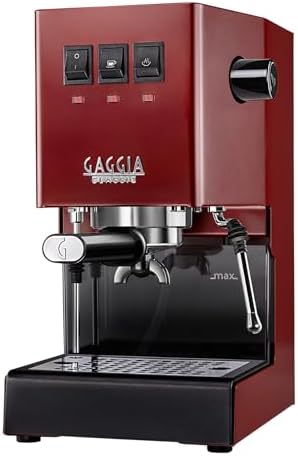
Gaggia RI9380/47 Classic Pro Espresso Machine,1.3liters, Cherry Red
A budget-friendly machine with a long following among tinkerers. The 1.3-liter reservoir keeps refills manageable in a small kitchen.
Visit on Amazon
Breville BES500BST Bambino Plus Espresso Machine, Black Stainless Steel
A machine-first pick for buyers who already own a grinder and would rather put the rest of the budget into beans and a better burr set.
Visit on Amazon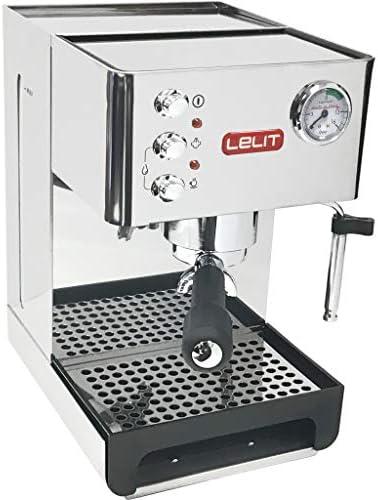
Lelit PL41EM Anna Espresso Machine
Check current Amazon price
A straightforward, traditional machine for someone who wants the espresso routine without an integrated grinder in the same box.
Visit on Amazon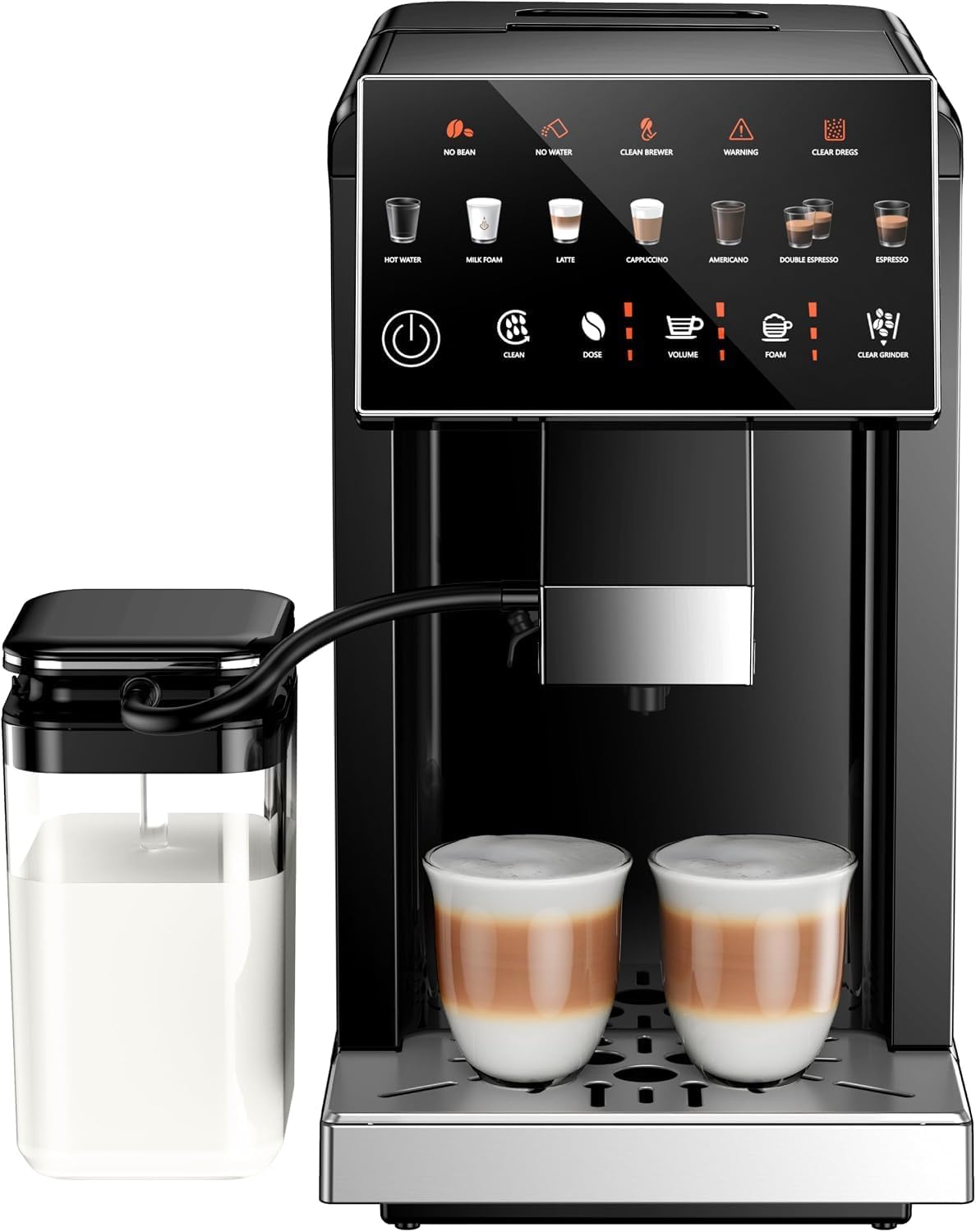
EUHOMY Automatic Espresso Machine with Milk Frother and Built-in Grinder
An automatic machine with a milk frother and a built-in grinder, aimed at readers who want a more hands-off morning routine.
Visit on Amazon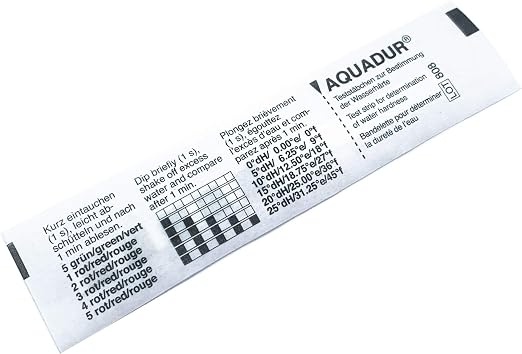
Hard Water Test Strip for Breville Oracle, Oracle Touch, Barista Touch, Barista Express and Other Domestic Espresso Machines (Pack of 2)
Test strips for checking your water before it scales up a boiler. Cheap insurance for any of the machines above, and the accessory most buyers skip.
Visit on AmazonPrices and availability may change. Check the retailer for current details.
How these products were compared
This guide compares price tier, whether a grinder is built into the machine, workflow fit for a beginner versus a tinkerer, counter and reservoir practicality, and long-term maintenance demands. Product names, images, and retailer links are matched by ASIN so that every card points to the product shown.
Nothing here is a laboratory measurement or a first-impression review. The distinctions come from what each product is designed to do, who it suits, and the workflow trade-offs that show up after the honeymoon period. Where two machines are close enough that the difference would not change your daily routine, this guide says so instead of inventing a winner.
How to choose the right espresso machine
Start with the grinder, not the machine. A great machine fed by a bad grinder makes bad coffee every single time, because the machine can only extract what the grind allows. A modest machine paired with a capable burr grinder will beat an expensive machine paired with a blade grinder or a tired, inconsistent one. If you already own a real burr grinder, your machine budget can go further. If you do not, an all-in-one like the Barista Express, or an automatic like the EUHOMY model, keeps you to one purchase while you learn.
Then decide how much of the routine you actually want to perform. A semi-automatic machine asks you to grind, dose, tamp, and watch the shot. An automatic machine with a built-in grinder asks you to press a button. Both make espresso. Only one of them will still feel reasonable at 6:30 in the morning, and that is a personality question, not a quality question. Be honest about which person you are, because the wrong answer here is the single most common reason a machine ends up on a resale listing.
Budget is the third decision, and it should be split deliberately. Most home setups spend too much on the machine and too little on everything around it. Water, beans, a scale, and a grinder do more for the cup than the next tier of machine does. If you are weighing a machine upgrade against a grinder upgrade, read our grinder dial-in guide before you spend.
Finally, measure your counter before you fall in love with a machine. Clearance under upper cabinets, depth from the wall, and how often you are willing to refill a reservoir matter more in daily life than any spec sheet. A machine that technically fits but leaves no room to work will annoy you every morning.
Breville Barista Express Espresso Machine
The Barista Express is the machine this guide recommends first, and the reason is workflow rather than prestige. It puts a grinder and an espresso machine in one box, which removes the two-machine purchase decision from your first month and lets you focus on learning what a good shot tastes like. The built-in grinder is not the equal of a dedicated burr grinder, and owners who stay in the hobby usually upgrade it eventually. As a starting point, though, it is workable, and the learning curve is gentle enough that you are not fighting the equipment while you learn.
That is the honest trade-off. You are buying convenience and a shorter path to a drinkable shot, not the last grinder you will ever own. If you already have a strong grinder, the value proposition changes and a machine-only option deserves a look. If you do not, this is the least painful way to start, and the built-in grinder remains useful later as a backup or for a second coffee style.
Alternatives to consider
The Gaggia Classic Pro Espresso Machine is better suited to a buyer who wants to spend less up front and is willing to tinker, since it has a long history of modification and aftermarket support. The Breville Bambino Plus Espresso Machine is a stronger fit when you already own a grinder and want to direct the whole budget at the machine instead of splitting it.
The Lelit Anna Espresso Machine suits someone who wants a traditional machine without an integrated grinder, while the EUHOMY Automatic Espresso Machine covers the hands-off end of the range with a milk frother and a built-in grinder for readers who want the shortest possible path from waking up to drinking. The Hard Water Test Strip is not a machine at all, but it belongs in the same order: it is the cheapest way to find out whether your tap water is going to shorten the life of whichever machine you choose.
Day-to-day use and maintenance
Every machine in this guide will ask for the same three things: fresh beans, decent water, and a cleaning routine you actually follow. Water is the one people underestimate. Hard water leaves scale inside boilers and valves, and scale is the slow killer of home espresso machines. Testing your water before you commit to a machine is a five-minute job, and the test strips above exist precisely for that. If your water is very hard, plan on filtered or bottled water rather than descaling on a punishing schedule.
Beyond water, keep the routine simple. Rinse and wipe the group area after your last shot of the day, purge the steam wand right after texturing milk, and follow the manufacturer's cleaning and descaling instructions for your exact model rather than a generic internet schedule. Beans matter too: buy in small amounts, keep them sealed and away from light, and accept that a bag that tasted great three weeks ago will taste flat now. No machine can rescue stale coffee.
Buying checklist
- Measure the clearance under your upper cabinets and the depth of your counter before choosing a machine.
- Decide whether you want a built-in grinder or already own one, since this changes both the budget and the counter footprint.
- Choose reservoir size based on how many drinks you make per day rather than an occasional gathering.
- Confirm that the exact model you are ordering includes the features you are counting on.
- Read the cleaning and maintenance instructions before the first use, not after the first problem.
- Test your water, or plan to use filtered water from day one.
- Verify the current retailer price, availability, and return terms through the product link.
Final recommendation
Choose the Breville Barista Express Espresso Machine when you are starting out, want a grinder and a machine in one purchase, and value a gentle learning curve over maximum control. Choose the Gaggia Classic Pro Espresso Machine when you want to spend less now and are happy to modify your setup as you learn, and consider the EUHOMY Automatic Espresso Machine if you would rather press a button than manage a workflow. Whichever you pick, budget for a grinder, a scale, and good water. Those three do more for the cup than the next tier of machine ever will.