Twelve years behind a bar in Seattle taught me that the machine is rarely the thing standing between you and a good shot. That is why this espresso machine comparison spends as much time on water and workflow as it does on boilers and buttons. I have pulled more than 40,000 shots in my life, managed a third wave coffee bar, and turned my garage into a graveyard for machines that did not survive month three: the Breville that leaked, the Gaggia I modded into something unrecognizable, the ECM that is still ticking along. I have set up espresso stations for friends, for family, and for two cafes. I have also watched a lot of people spend real money on the wrong category of machine.
So when I lined up the Gaggia RI9380/46 E24, the Philips 3200 Series, the Philips 3300 Series, and a box of Third Wave Water, I did not treat it as a beauty contest. Two of these are fully automatic machines that grind, dose, and brew at the press of a button. One is a manual machine that asks you to do the work and rewards you for it. And one is not a machine at all. It is a mineral packet, and it might change your coffee more than anything else on this list.
The honest answer is that these products are not competing on the same axis. The real fork is not brand versus brand. It is whether you want a kitchen appliance that makes coffee, or a small craft hobby that happens to sit on your counter. Pick the category wrong and no amount of money fixes it.
For most households in 2026, the Philips 3300 Series is the pick in this group, because it does the work for you and the LatteGo milk system means you will actually use it every morning. If you want to learn to pull real shots, the Gaggia E24 is the only machine here that will teach you anything. And whatever you buy, the Third Wave Water is the cheapest upgrade in this entire article.
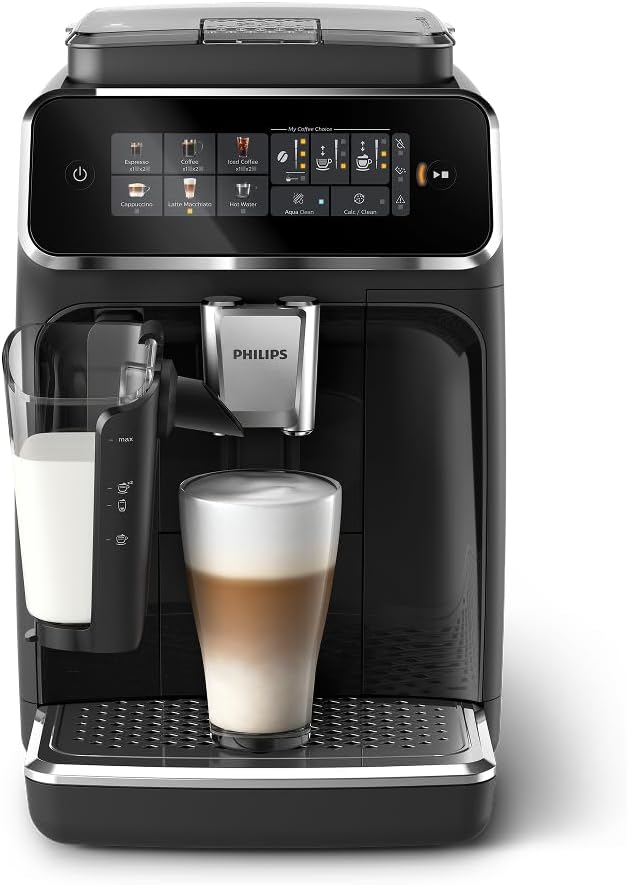
PHILIPS 3300 Series Fully Automatic Espresso Machine, LatteGo Milk System
One-touch milk drinks with LatteGo, fully automatic workflow, the easiest of the three machines to live with daily
Least control over the shot itself, so you drink the machine's opinion instead of yours
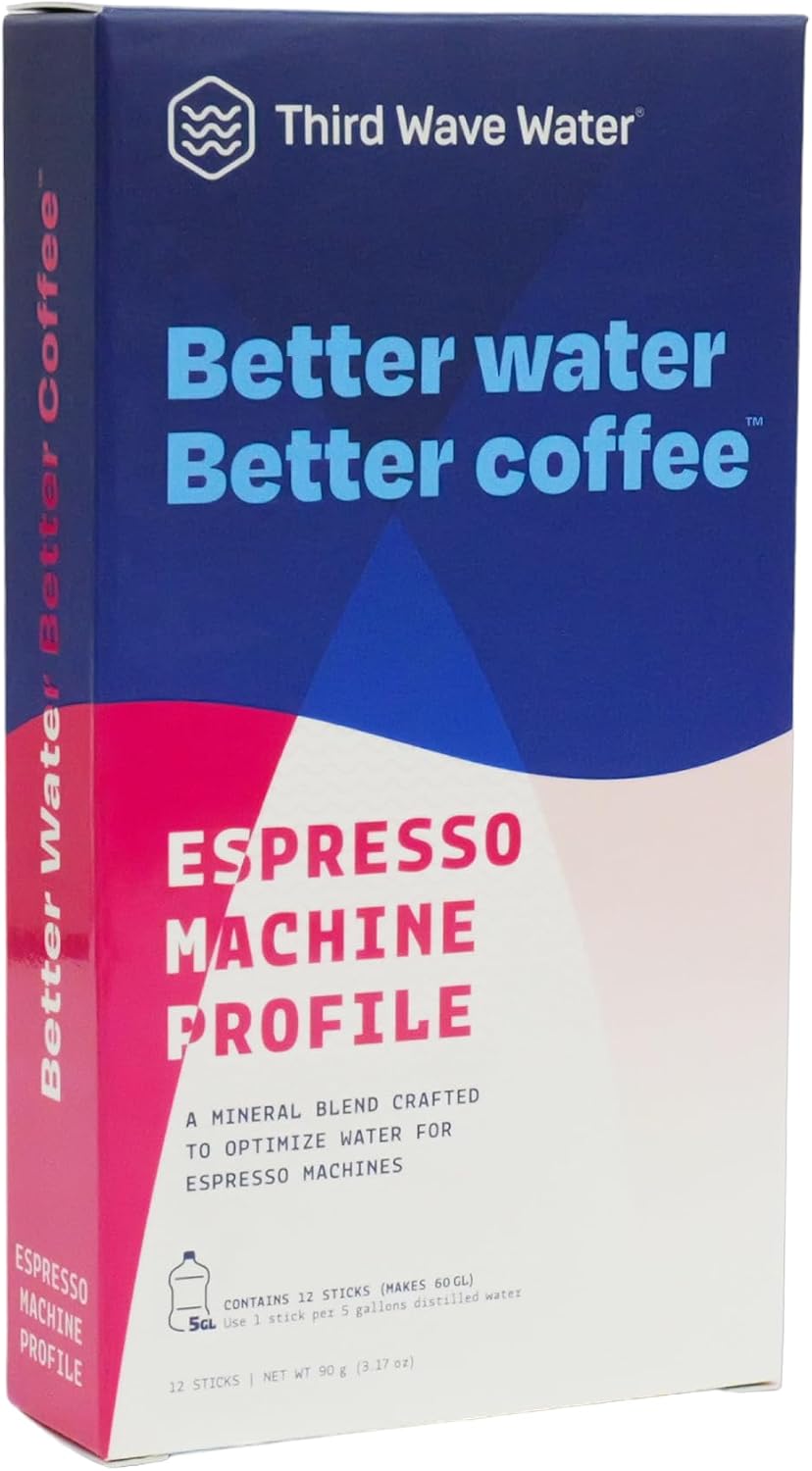
Third Wave Water - Espresso Machine Profile, Five(5) Gallon Sticks
Fixes the variable most people never touch, protects the machine from scale, repeatable water every single time
Only helps if your water is actually the problem, and it is a recurring cost, not a one-time purchase
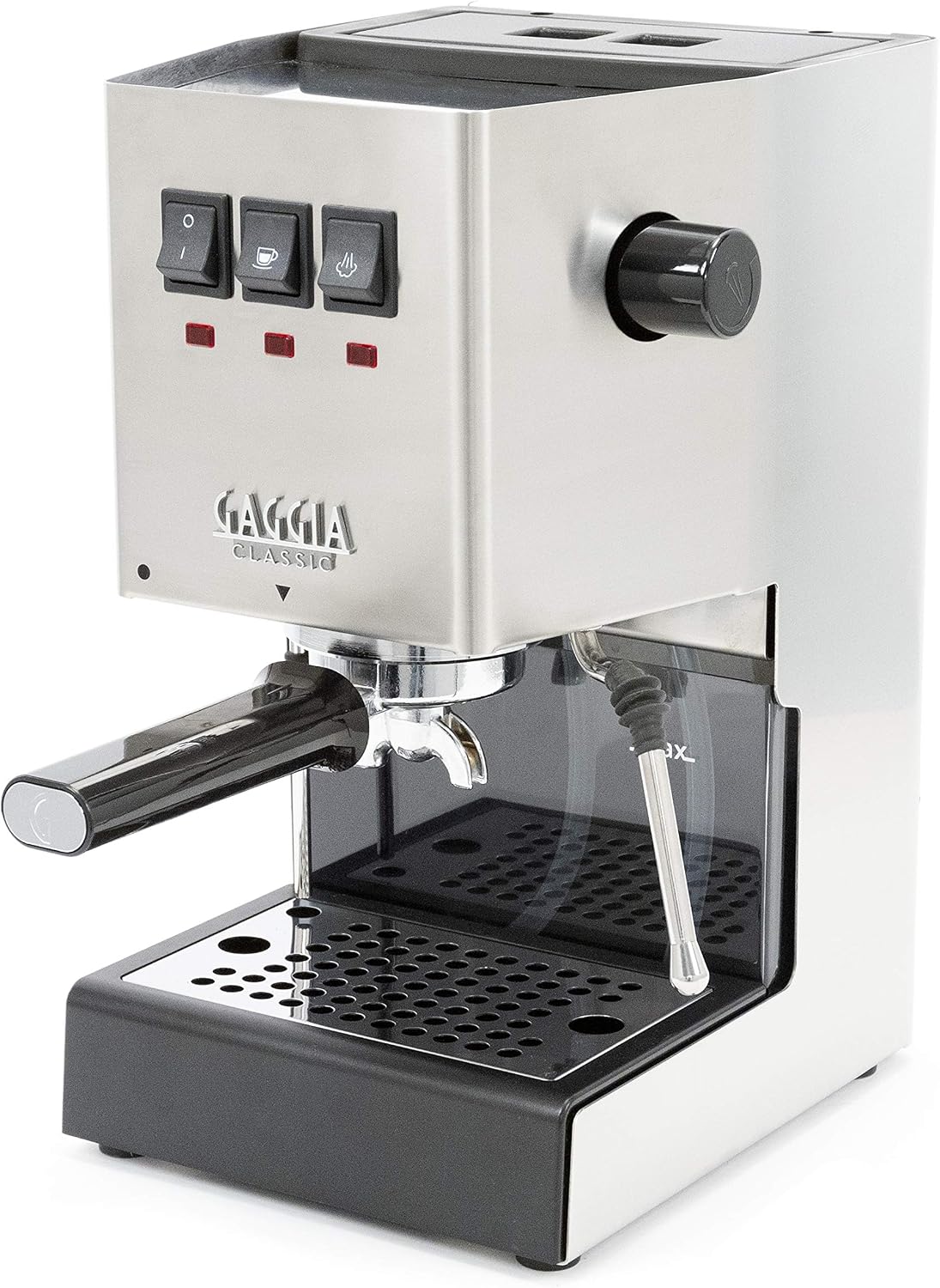
Gaggia RI9380/46 E24 Espresso Machine, Brushed Stainless Steel
Manual workflow, real learning curve, brushed stainless body, part of the deepest modding community in home espresso
You must own a good grinder already, the ritual takes real minutes, and it will punish lazy technique
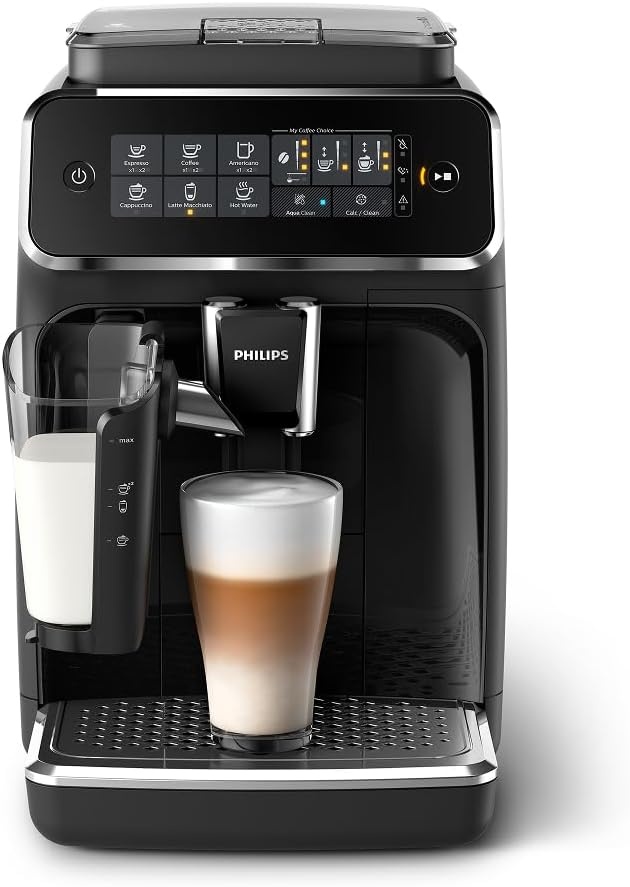
Philips 3200 Series Fully Automatic Espresso Machine, LatteGo Milk Frother, 5 Coffee Varieties, Intuitive Touch Display, 100% Ceramic Grinder, AquaClean Filter, My Coffee Choice, Black (EP3241/54)
Ceramic grinder, AquaClean filter, five coffee varieties, touch display, LatteGo frother, a genuinely complete all-in-one
No manual dial-in, more parts to clean, and the drink menu pushes you toward milk drinks instead of espresso
Prices and availability were captured from Amazon Creators API and may change.
How I judge an espresso machine
Every machine that lands on my counter gets at least 30 days of daily shots before I write a word about it. Same beans, same grinder, same water when I can control it. Four questions decide the outcome.
What is the boiler setup once you strip the marketing language off the box? How long is the dead time between pulling a shot and steaming milk, because that wait is where a morning routine goes to die? If there is a built-in grinder, does it actually grind fine enough to choke a proper basket, or does it stop short and leave you with gushers? And finally, would I still enjoy using this in month three, when the novelty is gone and it is 6:15 a.m. and I have not had coffee yet?
That last question eliminates more machines than any spec sheet ever will. A machine can be technically excellent and still be the thing you stop using by February.
The real fork: fully automatic versus manual
The Philips 3200 and 3300 Series are fully automatic. You fill a hopper with beans, fill a water tank, and press a button. The machine grinds, doses, tamps, and brews. Milk drinks come from the LatteGo system, which is the part Philips got right: it is a simple two-piece assembly with no internal tubing to scrub, and it goes in the dishwasher. Anyone who has cleaned a traditional automatic milk carafe knows what a gift that is.
The Gaggia E24 sits on the other side of the fork. It is a manual machine in the classic sense. You grind separately, you dose, you tamp, you lock in a basket, you pull the shot and watch it. You steam milk with a wand and you learn what texture actually means. Nothing about it is one-touch, and that is precisely the point.
Which is better? Neither, and I will fight anyone who says otherwise. It depends on the number of drinks you make before 9 a.m. and your tolerance for ritual. If you make two milk drinks every morning while wrangling kids or a commute, a manual machine is a machine you will resent by week three. If you make one or two espresso shots a day and you find the process meditative, a fully automatic machine will bore you and then annoy you, because you can taste that you could do better.
The Gaggia is the machine for the second person. The Philips machines are for the first.
Gaggia RI9380/46 E24: what you are actually buying
The E24 keeps the brushed stainless steel body that has made this platform a fixture on home bars for years, and it belongs to the Gaggia family that modders have been taking apart and improving for a generation. That community matters more than any single feature. When something wears out or you want to change how the machine behaves, there are parts and there are people who have already done the work and written it up.
Here is the catch, and I will not soften it: if you buy this machine without a serious grinder, you have wasted your money. A manual espresso machine is a pressure and temperature delivery system. The actual flavor work happens in the grinder and in your hands. Budget for the grinder first, then the machine. If that math does not work for you this year, buy a fully automatic machine instead and revisit this in two years.
The second catch is the workflow. Manual espresso takes minutes, not seconds, and it takes attention. You will pull bad shots. You will pull a shot that looks gorgeous and tastes sour. That is not a defect, it is the tuition. Some people pay it happily. Others quit. Be honest about which one you are before you spend the money.
Philips 3200 and 3300 Series: what you are buying
The 3200 Series listing spells out its feature set in detail: LatteGo milk frother, five coffee varieties, an intuitive touch display, a 100% ceramic grinder, an AquaClean filter, and a My Coffee Choice setting, all in a black chassis. Read that list again as a buyer, not a shopper. A ceramic grinder means the burrs resist wear and heat better than steel in this price class. The AquaClean filter means you are not descaling the thing every other week, which is one of my oldest pet peeves in this category. Five varieties plus My Coffee Choice means you can save the drink you actually want instead of guessing at strength every morning.
The 3300 Series is the higher-numbered sibling, and the listing centers on the LatteGo milk system and fully automatic operation. Philips does not spell out every specification in the listing title the way it does for the 3200, so if a particular detail matters to you, open the product page and confirm it before you buy. That is not a knock on the machine. It is how I would shop any appliance.
What you give up on both is control. There is no dialing in. You cannot adjust the grind to chase a flavor, you cannot change the brew ratio shot to shot, and you cannot fix a bag of beans that is not working. You get consistency instead, which for a lot of people is a much better deal. Consistency is what makes the 6:15 a.m. cup taste the same on Tuesday as it did on Sunday, and honestly, that is what most buyers are shopping for.
There is also maintenance to consider. Fully automatic machines have a brew group to rinse, a milk system to clean, and a water filter to replace on a schedule. None of it is hard. All of it is routine you have to actually keep up with, or the coffee quality slides and you blame the machine.
Third Wave Water: the upgrade nobody wants to hear about
I spent years chasing gear before an old roaster sat me down and told me the water was the problem. He was right, and it cost me a lot of money to learn that lesson the hard way.
Coffee is roughly 98% water by mass. If your tap water is very hard, you are brewing with minerals that mute the acidity and coat the inside of your machine with scale. If your water is very soft or heavily filtered, you may be brewing with almost nothing, and the shot tastes flat and hollow no matter what you do with the grinder. Third Wave Water's espresso profile is built to solve exactly that: mineral sticks you add to distilled water to create a consistent brewing water, sized around gallons at a time, so every shot starts from the same baseline.
Why does this belong in a machine comparison? Because it is the cheapest way to improve the coffee coming out of either a Gaggia or a Philips. It removes a variable. When the water is constant, every other change you make actually tells you something. When the water wanders, you are debugging in the dark.
Two honest caveats. First, it only helps if your water is the weak link. If you already brew with good water, spend the money on beans. Second, it is a recurring purchase, and you have to buy distilled water to go with it. I still recommend it to almost everyone who asks me why their shots taste muddy.
The trade-offs nobody puts on the box
Counter space is the first one. A fully automatic machine is a single footprint that does everything, but it is a chunky footprint. A manual machine plus a separate grinder takes up more room, in two places, and the grinder is not optional.
Learning curve is the second. With a Philips machine, the learning curve is reading the manual. With the Gaggia, the learning curve is a few weeks of mediocre coffee while your hands catch up to your intentions. That is a real cost, and it lands on you every morning until it does not.
Cost over time is the third. Automatic machines have filters, milk system parts, and eventually service. Manual machines have gaskets, baskets, and a grinder that will outlive three machines. Neither is cheap. They just fail differently.
And the last one is the honest one: your taste will change. The machine that fits you today may not fit you in three years. That is why I tell people to buy for the workflow they will actually keep, not the one they imagine on a quiet Sunday morning with the sun coming through the window.
What I would buy in each situation
If you make milk drinks most mornings and you want them without thinking, buy the Philips 3300 Series. The LatteGo system is the reason. It is the least annoying milk solution in this group.
If you want the most complete automatic feature list, with the ceramic grinder, the AquaClean filter, the five varieties, and My Coffee Choice called out by name, the Philips 3200 Series is the one whose listing tells you exactly what you are getting.
If you already own a real grinder and you want to learn this craft properly, buy the Gaggia E24. It will be harder, and in a year you will understand espresso in a way no automatic machine can teach you.
And regardless of which machine you pick, buy the Third Wave Water and remove the variable you cannot see. That is the advice I give most often, and it is the advice most people ignore until they have already replaced everything else.
What I am testing next
I have a Gaggia on my bench right now that I have been running against a dual boiler machine for the last few weeks, same beans, same grinder, same water, because I want to know how much of the gap is temperature stability and how much is just me wanting the expensive one to win. I also want to run the same bag of beans through a fully automatic and a manual machine, back to back, for a month, and see how far apart they actually land in the cup. That report is coming, and I suspect it will annoy people on both sides of this argument, which is usually a sign I am onto something.