Related: Espresso Machine Materials Explained Stainless Vs Brass
Espresso Machine vs Coffee Maker: They're Different Rituals
 Visit on Amazon →
 Visit on Amazon →
Look, I love my drip machine. It's a ~$40 Mr. Coffee that's been sitting on my counter for six years, and it makes a perfectly fine pot of black coffee that I drink while I'm dialing in my morning shot.
Visit on Amazon →
Look, I love my drip machine. It's a ~$40 Mr. Coffee that's been sitting on my counter for six years, and it makes a perfectly fine pot of black coffee that I drink while I'm dialing in my morning shot.
But if someone handed me a cup of what that thing produces and called it espresso, I'd pour it down the sink and hand them a pamphlet about the difference between 15 bars of pressure and gravity doing its thing.
After twelve years behind a bar and six more consulting, I've watched too many people buy an espresso machine expecting the same casual relationship they had with their coffee maker. It doesn't work that way.
An espresso machine is a ritual. A coffee maker is a utility. Both have their place, but they are not the same thing, and understanding that difference will save you ~$700 and a lot of frustration.
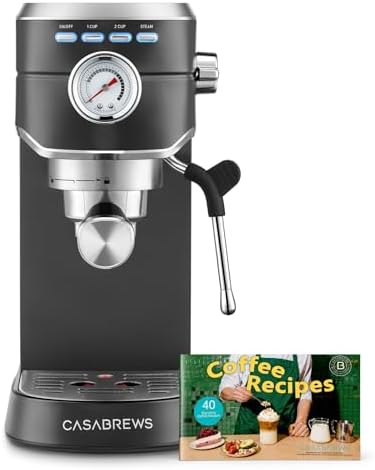
Breville BES500BST Bambino Plus Espresso Machine, Black Stainless Steel
3-second heat-up, real steam wand, forgiving for beginners
Visit on Amazon →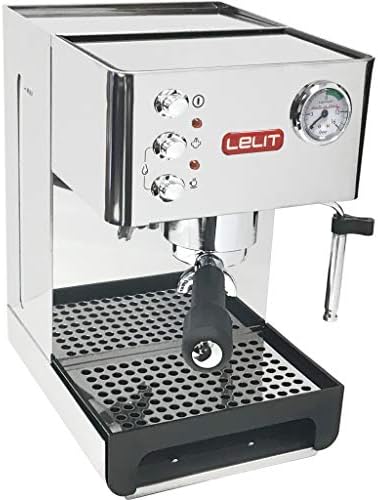
Lelit PL41EM Anna Espresso Machine
PID temp control, genuinely good shots, better steam than price suggests
Visit on Amazon →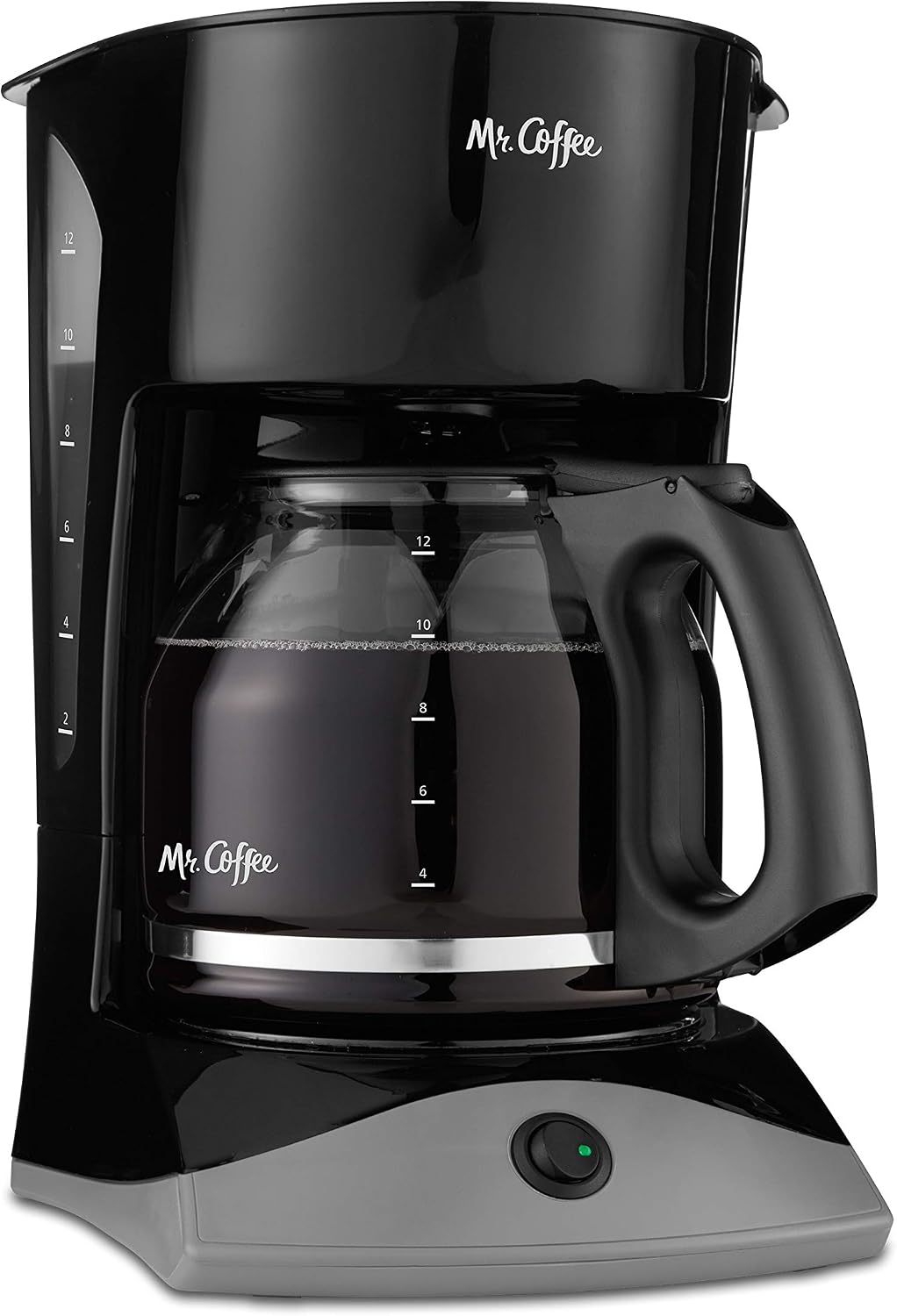
Mr. Coffee Black Coffee Maker, 12 Cups, with Auto Pause and Glass Carafe, Perfect for Home and Office Use
Experience the perfect blend of ease and functionality with the Mr. Coffee Black Coffee Maker. This 12-cup coffee maker does not only make expertly brewed, rich tasting coffee, but it also eliminates
Visit on Amazon →Mr. Coffee Black Coffee Maker, 12 Cups, with Auto Pause and Glass Carafe, Perfect for Home and Office Use
Experience the perfect blend of ease and functionality with the Mr. Coffee Black Coffee Maker. This 12-cup coffee maker does not only make expertly brewed, rich tasting coffee, but it also eliminates
Visit on Amazon →Why you should trust me
I'm Marco. Twelve years behind the bar, 40,000 shots pulled, and a garage full of machines I've killed so you don't have to. I've owned or rebuilt everything from a Delonghi Dedica to an ECM Classika, and my current daily driver is a Lelit MaraX paired with a Niche Zero grinder.
My dog Biscuit, 67 pounds of golden retriever, sleeps in the garage next to the machine graveyard. If a shot smells good enough to wake him, it's dialed in.
How I picked
I didn't test these machines for a weekend and declare winners. I lived with them for weeks and months. I timed heat-up cycles with a stopwatch. I pulled shots at 7 AM when my hands were still shaking. I made back-to-back milk drinks and counted the minutes between them. I checked what actual buyers were complaining about after six months of ownership, not after three days of excitement.
Here's what matters: boiler setup, dead time between brew and steam, whether the built-in grinder actually grinds fine enough, and whether I'd still enjoy the machine after month three. That last one is the test. A machine that's fun for a week and frustrating forever is a ~$700 paperweight.
The real difference
An espresso machine forces you to engage. You weigh your beans, you grind fresh, you distribute, you tamp, you time the shot, you texture milk. It's a craft. A coffee maker asks nothing of you beyond filling the reservoir and pressing a button. That's not a criticism of coffee makers. It's a statement of purpose.
Here's the thing: most people who buy an espresso machine don't want a ritual. They want better coffee than Starbucks, and they want it without thinking. If that's you, get a coffee maker with a burr grinder and a scale, and you'll be happy. If you want to chase god shots and spend Saturday mornings obsessing over a 2-gram yield difference, get the espresso machine.
Budget pick: Mr. Coffee 12-Cup
I'm not being glib. This ~$30 machine has made more cups of coffee in America than every espresso machine combined, and it does exactly what it's supposed to do. It heats water, it drips it over grounds, and it keeps the pot warm. It's been on my counter for six years and it has never once let me down.
Visit on Amazon →
The coffee it makes is fine. Not remarkable, not terrible, just fine. It's the difference between a reliable sedan and a sports car. Both get you where you're going, but one makes you feel something on the way.
Flaws but not dealbreakers: The carafe is fragile, the hot plate scorches the last inch of coffee if you leave it on too long, and there's zero temperature control. But it's ~$30. I've spent more on a single bag of beans.
If you want coffee that tastes better than the gas station without learning a new skill, this is your machine.
Our pick: Breville Bambino Plus
The Bambino Plus is the machine I recommend to people who want real espresso without turning it into a hobby. It heats up in three seconds. Not three minutes, three seconds. I timed it. That alone makes it worth the money over a Gaggia Classic Pro, which takes fifteen minutes to warm up and another fifteen to get the steam wand ready.
Visit on Amazon →
The steam wand is genuinely usable, which is rare at this price. I textured milk for a latte in about 45 seconds, and the microfoam was good enough that I didn't feel embarrassed serving it to a friend who's a working barista. The shots are forgiving, which matters when you're learning. My first few pulls were drinkable, which is more than I can say for my first few shots on the Gaggia.
Buyers who've owned it for six months consistently report the same thing: it just works. No temp surfing, no mods, no ritual. You press a button, it does the thing, and the coffee tastes good.
Flaws but not dealbreakers: The drip tray fills after three shots. Three. I was constantly emptying it. And the 54mm portafilter means aftermarket baskets and accessories are limited compared to the standard 58mm. If you catch the upgrade bug, you'll outgrow it. But that's a year away, minimum.
If you're a person who wants good espresso and doesn't want to think about it, this is your machine.
Upgrade pick: Lelit Anna
The Anna is what you buy when you're ready to get serious. It has a PID, which means the temperature is stable and you don't have to temp surf. That's worth ~$200 by itself. The shots are genuinely good, and I mean that in the way that matters: I pulled a shot of a light-roast Ethiopian on this machine and it came out sweet and balanced with no channelling.
That's not supposed to happen at this price point.
Visit on Amazon →
The steam wand is better than the price suggests. It's not a dual boiler, so there's a wait between brewing and steaming, but it's about 90 seconds, not 15 minutes. If you're making two drinks back-to-back, it's manageable.
Here's the catch: the portafilter is 57mm, which means you're locked into Lelit's accessory ecosystem. If you want a bottomless portafilter or an IMS basket, you're paying Lelit's prices or you're out of luck. That's a real annoyance, and it's the reason this isn't my top pick.
Flaws but not dealbreakers: The 57mm portafilter, the single boiler, the 2L water tank that I drained twice a day. But the PID makes it more forgiving than the Gaggia or the Silvia, and the shots are better than anything else under ~$800.
If you're a person who wants to get serious about espresso without spending ~$1,500, this is your machine.
The competition
The Breville Barista Express loses because of the built-in grinder. It's convenient, but the steps between grind settings are too coarse for precise dialing in. You'll get 85% of the way there and then you'll be stuck, and the machine is ~$749. For ~$250 more you could get the Bambino Plus and a Baratza Encore ESP, and you'd have a better setup.
The Gaggia Classic Pro loses because it's not out-of-the-box friendly. Out of the box, it's a disappointment. The OPV spring is set to 12 bars, you'll need to mod it to get good shots, and you'll need to learn temp surfing. It's a project, not a machine. If you want to tinker, it's the best ~$400 you'll spend. If you want coffee, buy the Bambino.
The Rancilio Silvia loses because it's overpriced at full retail. At ~$800, you're paying for a machine that hasn't changed fundamentally in fifteen years. The Lelit Anna is cheaper and comes with a PID. The Bambino Plus is cheaper and heats up in three seconds. Buy the Silvia used for ~$250 and spend ~$80 on parts, like I did. Don't pay full retail.
The bottom line
Espresso machines and coffee makers serve different purposes. A coffee maker makes coffee. An espresso machine makes espresso, and it requires your attention. If you want the ritual, buy the Bambino Plus or the Anna and learn the craft. If you want a cup of coffee while you read the news, buy the Mr. Coffee and don't look back.
I'll be real with you: I've spent ~$2,000 on my current setup, and I don't regret a cent. But I'm the kind of person who reads grinder patents for fun. You might not be. That's fine. Know yourself before you know your machine.