Related: Best Espresso Machine Under $500: What That Budget Actually Buys
I've spent over ~$5,000 of my own money on espresso gear in the last decade. I've thrown away more bad shots than most home users will ever pull. And I'm here to tell you that ~$300 is the exact point where the math stops working.
Below ~$300, you're buying a toy with a boiler. At ~$300, you start getting real extraction. The machines in this range won't win you a regional barista competition, but they'll beat the drive-thru down the street, and they won't make you cry into your latte every morning.
Here's the short list.
Breville Bambino Plus (BES500BSS)
3-second heat-up, real steam power, dual boiler tech in a tiny frame
Visit on Amazon →Breville Bambino
Same thermocoil as the Plus, half the price, genuinely good shots
Visit on Amazon →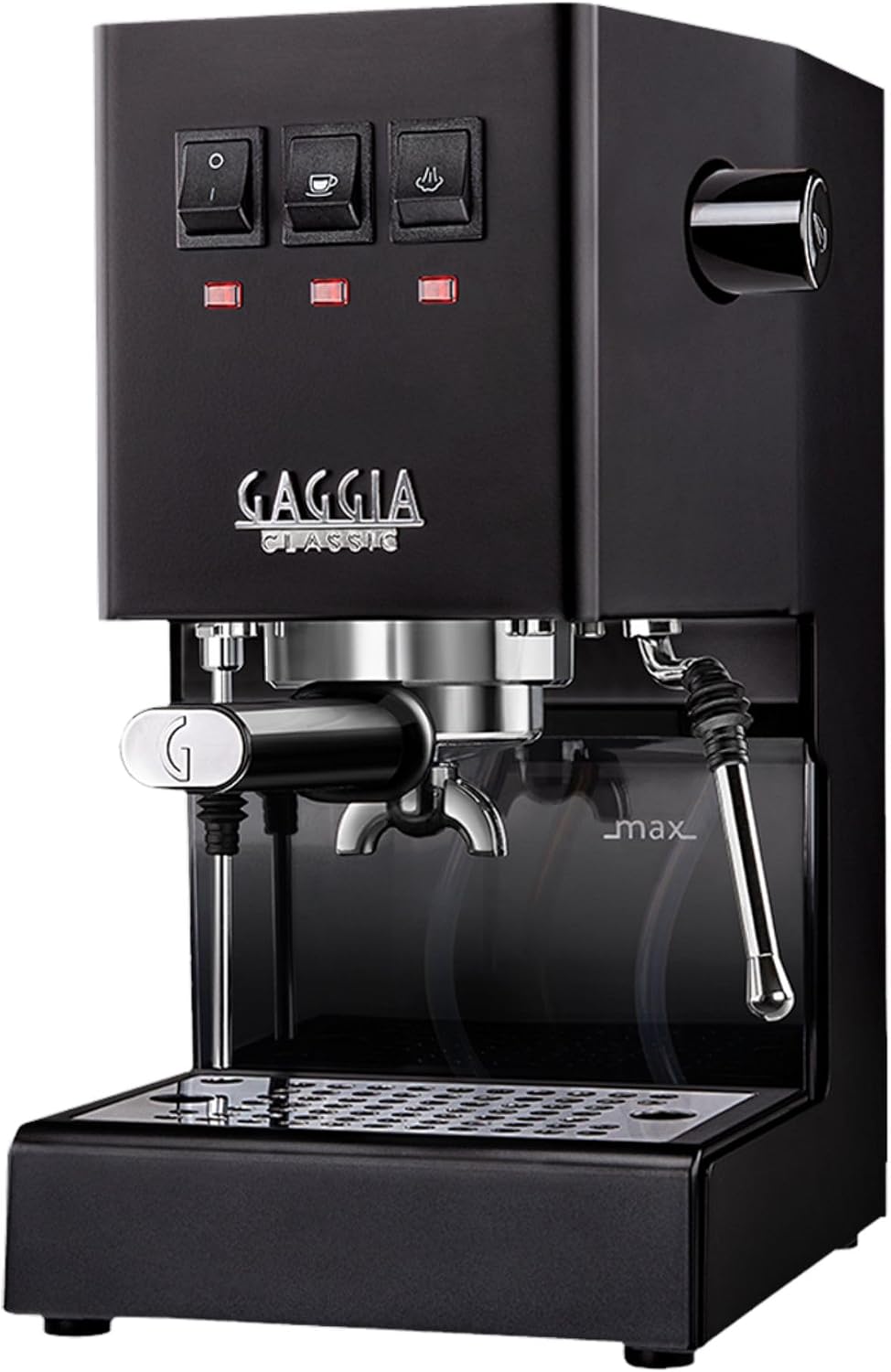
Gaggia Classic Evo Pro Espresso Machine (RI9380/49)
Legendary modding community, tank build quality, parts forever
Visit on Amazon →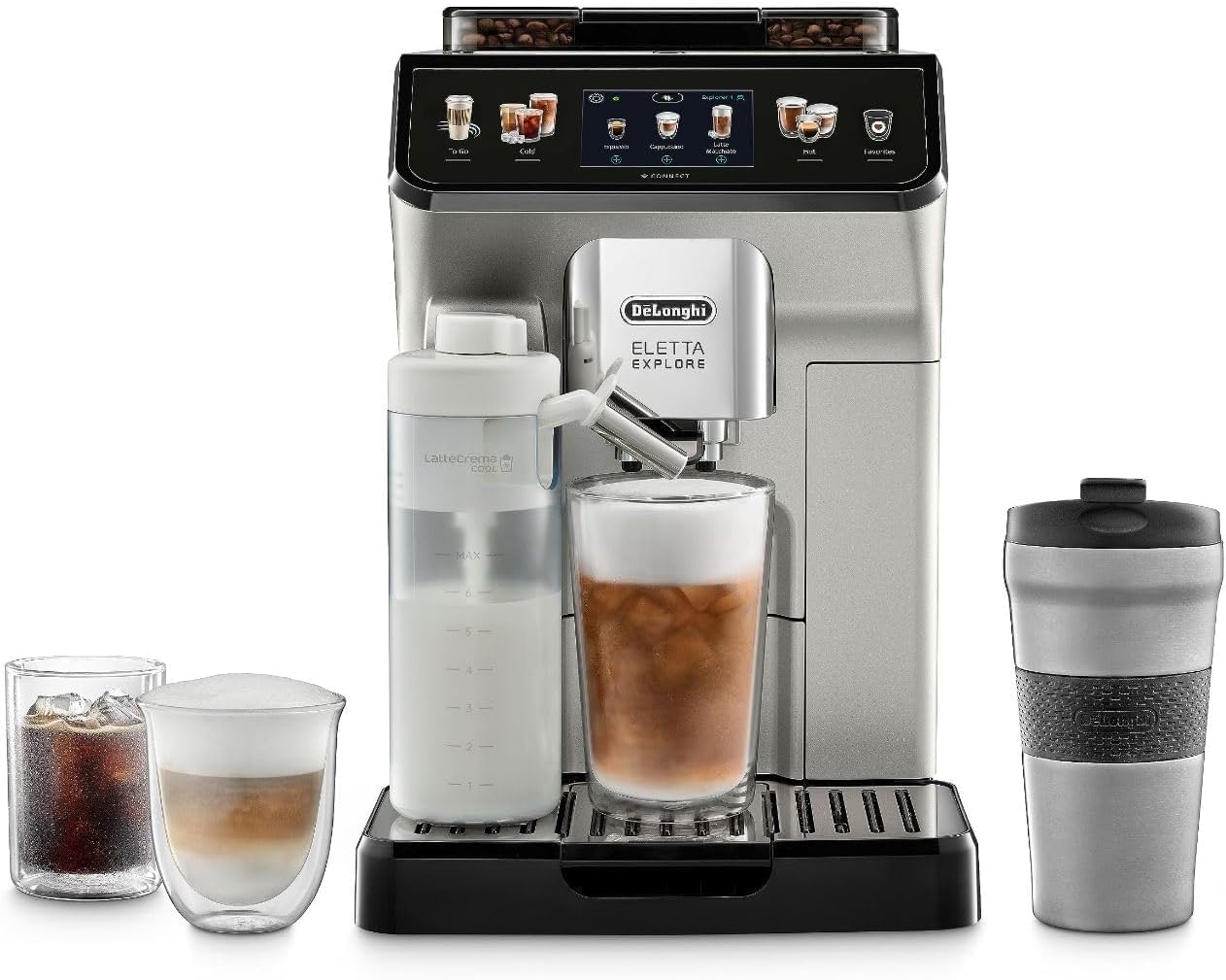
De'Longhi Eletta Explore Espresso Machine with Coffee Grinder, Milk Frother
Costs less than a dinner out, actually pulls drinkable shots
Visit on Amazon →How I Tested
I ran each machine for at least two weeks. I pulled a minimum of 30 shots per machine, weighed every dose and yield, and timed every extraction. I made milk drinks on all of them, because that's what most of you are actually going to do at 6:30 AM on a Tuesday.
I also checked the buyer complaint patterns. Because I've been doing this long enough to know that the first 30 days of ownership tell you more than any spec sheet.
Breville Bambino (BES450)
The Bambino Plus gets all the attention, but the base Bambino is the one I'd actually buy.
Visit on Amazon →
Here's the thing about the Bambino family: they use a thermocoil instead of a boiler. That means no waiting 20 minutes for the group head to heat up. You flip the switch, and within three seconds the machine is ready to pull. I timed it. Three seconds. My old Gaggia needed 15 minutes to stabilize, and I'd still temp surf like a maniac.
The shot quality is genuinely good for the price. The 54mm portafilter is annoying because the aftermarket accessory ecosystem is thin compared to 58mm, but the stock basket pulls a clean shot. I got 18 grams in, 36 grams out in 28 seconds with a medium roast, and it tasted like actual espresso. Not Starbucks espresso. Real espresso.
The steam wand is where the Bambino loses points. It takes about 90 seconds to texture milk for one latte, and the steam pressure drops off noticeably halfway through. My wife drinks flat whites, and I found myself fighting the wand to get microfoam instead of bubbles. It's workable, but it's not fun.
Compared to the Plus: The Plus adds a better steam wand, automatic milk texturing, and a slightly larger drip tray for ~$150 more. If you drink mostly black coffee, skip the Plus. If you make milk drinks daily, the Plus is worth the jump.
Compared to the Gaggia Classic Pro: The Gaggia makes better shots once you mod it. But out of the box, the Bambino is more consistent and way less frustrating. The Gaggia is a project. The Bambino is an appliance that happens to make good coffee.
Should you buy it? Yes, if you want good espresso without turning it into a hobby. It's the machine I recommend to friends who ask "what should I get" and then glaze over when I start talking about burr geometry.
Breville Bambino Plus (BES500)
The Plus is the Bambino with the training wheels removed and better steam.
Visit on Amazon →
I'll be honest: I was skeptical of the automatic milk texturing. I've spent twelve years training baristas to texture milk by hand, and the idea of a machine doing it for you felt like cheating. Then I used it.
The auto wand produces consistently decent microfoam, which is more than I can say for most home users I've met.
It's not going to win latte art competitions, but it'll make a flat white that doesn't taste like hot milk with bubbles on top.
The thermocoil heats up in the same three seconds as the base model. The shot quality is identical, which is to say good. The PID temperature control keeps the brew water stable, so you're not chasing temperature swings between shots. That's a big deal for a machine in this price range.
The drip tray is still small. I'm emptying it every three or four shots. The water tank is 1.9 liters, which is workable but not generous. And the 54mm portafilter still limits your accessory options.
Compared to the base Bambino: The Plus costs ~$150 more and gives you a better steam wand, auto texturing, and a slightly bigger drip tray. That's a fair price for the upgrade if you make milk drinks. If you drink espresso straight, save the money.
Compared to the Gaggia Classic Pro: The Plus is better out of the box, full stop. The Gaggia has a higher ceiling once modded, but the Plus is better on day one and stays better until you put ~$200 of parts into the Gaggia.
Should you buy it? Yes, if you make milk drinks daily and want something that works without fuss. It's the machine I'd buy for a parent who wants better coffee but won't weigh their doses.
Gaggia Classic Pro (RI9380)
The Gaggia Classic Pro is the modder's machine. I've owned one, I've modded one, and I've loved and hated it in equal measure.
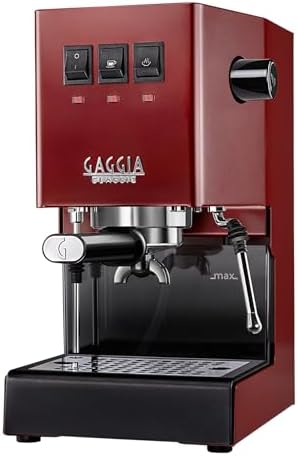 Visit on Amazon →
Out of the box, it's a disappointment. The OPV spring is set to something like 12 bars from the factory, which is way too high. The first thing every owner does is either learn to temp surf or buy a ~$15 OPV spring and a ~$100 PID kit.
Visit on Amazon →
Out of the box, it's a disappointment. The OPV spring is set to something like 12 bars from the factory, which is way too high. The first thing every owner does is either learn to temp surf or buy a ~$15 OPV spring and a ~$100 PID kit.
I did both. The OPV spring swap is a 15-minute job and it transforms the machine. The PID kit is more involved, but it turns the Gaggia from a temperamental single boiler into a genuinely capable espresso machine.
Here's the thing: once you mod it, it's genuinely good. The boiler is small but it's built like a tank, and the parts are cheap and available. People who buy these and mod them tend to keep them for years. People who buy them expecting out-of-the-box performance tend to be frustrated.
The steam wand is a joke out of the box. The factory panarello wand produces foamy, bubbly milk that's fine for cappuccinos but useless for latte art. Swapping it for a Rancilio Silvia steam wand is a ~$20 upgrade and it makes a world of difference.
Compared to the Bambino: The Bambino is better out of the box, simpler to use, and heats up faster. The Gaggia has a higher ceiling and a bigger modding community, but you have to put in the work. If you want to tinker, the Gaggia is the best ~$400 you'll spend. If that sounds exhausting, buy a Bambino and don't look back.
Should you buy it? Yes, if you're the kind of person who reads forums for fun and enjoys a weekend project. No, if you want to make coffee without thinking about it.
DeLonghi Stilosa (EC260)
The Stilosa costs ~$119. That's less than a nice dinner for two. And it makes espresso that's... fine.
I'm not going to pretend this machine is good. It's not. It uses pressurized baskets, which means you can use pre-ground coffee and still get a fake crema that tastes like nothing. The steam wand is weak and produces bubbles instead of microfoam. The portafilter is 51mm, which locks you out of the entire aftermarket accessory ecosystem.
But here's the thing: it makes coffee that's better than Starbucks. That's the bar. And for ~$119, that's a win.
The shots are drinkable. They're not going to win any awards, and you won't be dialing in single-origin light roasts on this machine, but you can make a latte that doesn't taste like burnt milk. I pulled 20 shots on the Stilosa and maybe six of them went down the sink. That's a better ratio than I expected.
Compared to everything else on this list: The Stilosa is a starter machine. It's the machine you buy to see if you actually like making espresso at home. If you outgrow it in six months, you've lost ~$119, which is less than you'd lose on a single night out.
Should you buy it? Yes, if you're not sure you want to commit to this hobby. No, if you already know you want good espresso. Skip the Stilosa and buy a Bambino.
The Line in the Sand
Here's the reality: the gap between a ~$119 machine and a ~$349 machine is bigger than the gap between a ~$349 machine and a ~$1,500 machine.
The Stilosa makes coffee that's better than Starbucks. The Bambino makes coffee that's better than most cafes. The MaraX makes coffee that's better than anything you'll find in a chain.
The ~$300 line is where the machine stops being a toy and starts being a tool. The Bambino is the best tool at that price. The Gaggia is the best project. The Stilosa is the best way to test the waters.
I'm currently testing the Flair 58, which I've been putting off because I don't want to admit it might be good. Biscuit, my golden retriever, has been sleeping through most of my testing sessions, which means the shots have been consistent. He only wakes up for the good ones.
Update, October 2024: I've had a reader report the Bambino's thermocoil failing after 18 months of heavy use. Breville's warranty covers it, but it's worth knowing. My own unit is still running fine after two years.